
Dark Side of Digital Doxxing: The Tale of Nick Fuentes
12/19/2024, 11:25:17 PM

In a chilling series of X posts, Nicholas J. Fuentes @NickJFuentes on X, a noted far-right figure, detailed a harrowing attempt on his life, underscoring the severe real-world consequences of doxxing.

As much as I despise Nick Fuentes, doxxing is not the answer, I was doxxed, my mom got swatted because of this. I always was saying: Don’t do it even to your social media enemy. pic.x.com/TlNT25Ajiu
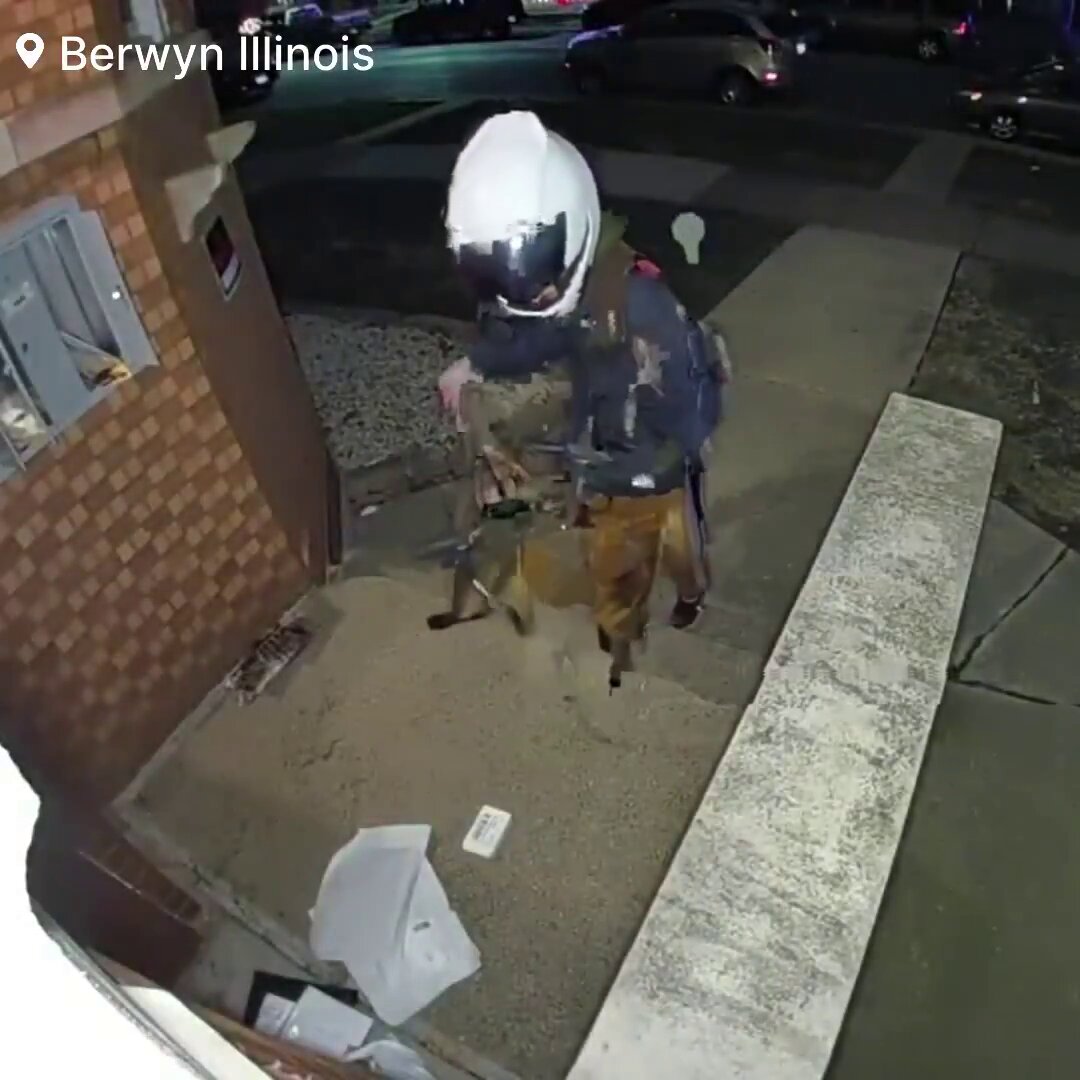 Video not archived · View on X
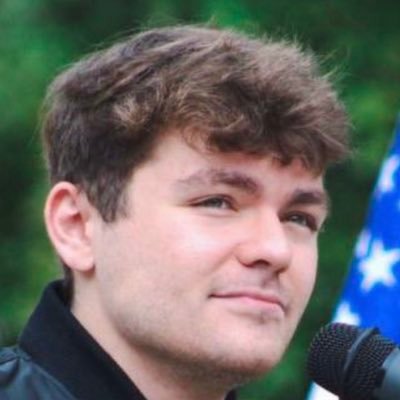
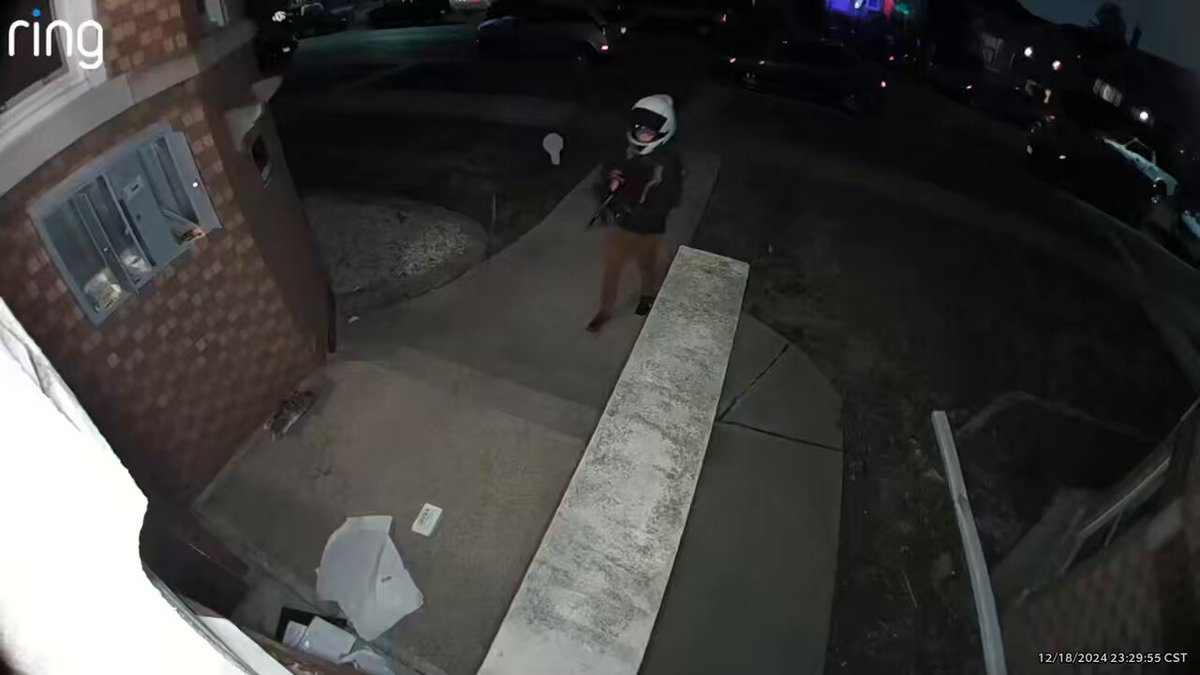
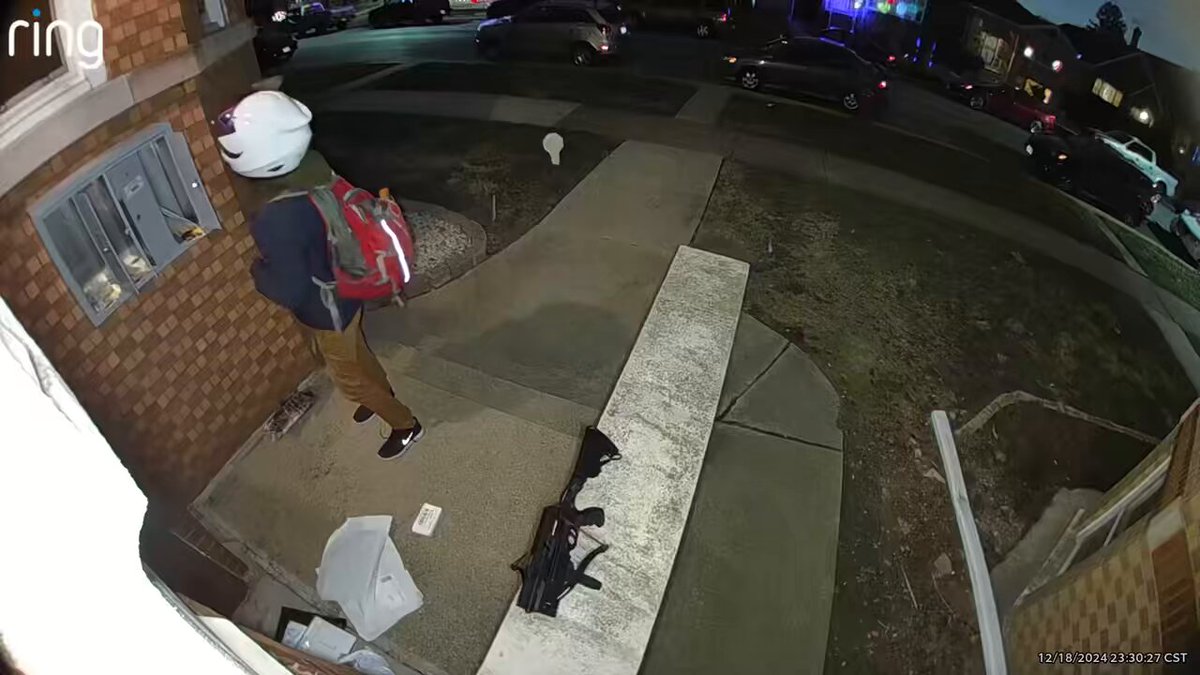
The killer parked his car in front of my house and approached my door with his pistol drawn and what appears to be a crossbow. I was livestreaming at the time. He rings the door bell, tries the doorknob and yells “yo Nick!” pic.x.com/5y1LF3Dv56
This incident not only underscores the dangerous real-life consequences of online actions but also raises profound questions about privacy, anonymity, and the nature of digital discourse.
On a night that would change the course of his life, Fuentes reported an armed individual attempting to assassinate him at his home, an address that had been compromised and shared online. The assailant, armed with lethal weapons including a pistol, a crossbow, and incendiary devices, was later linked to a triple homicide in southern Illinois. The situation escalated when the gunman, in his attempt to escape police, broke into a neighbour's home, resulting in the tragic death of two dogs. This incident not only highlighted the immediate danger to Fuentes but also the broader implications for his neighbours, who were inadvertently drawn into his digital conflict.
Replying to @NickJFuentes
According to police, the would-be assassin committed a triple homicide in southern Illinois early yesterday before he arrived at my doorstep with his pistol drawn, calling my name. I am grateful to God that I am still alive today.
https://www.cbsnews.com/chicago/news/berwyn-police-shooting-triple-homicide-suspect-mahomet-il/
Replying to @NickJFuentes
Tragically, the gunman broke into a neighbors home to evade police & killed two of their dogs. While heartbreaking, it could have been so unimaginably worse. God have mercy. Doxing is not a game. This nihilistic lynch mob behavior must end before anyone else is killed.
Fuentes expressed relief at his survival but also highlighted the broader implications of doxxing, calling it "nihilistic lynch mob behavior."
Fuentes, who identifies himself as "J-Woke, pro-White, traditional Christian, and anti-feminist," has made himself a polarizing figure through his extremist views, which he labels as "REDPILLED." His beliefs, while extremely controversial and often criticized for their alignment with white nationalism and anti-feminist sentiments, and now has found him deeply entangled in a life-threatening situation that raises questions about privacy, security, and the ethics of online actions.
I feel like the last person alive who is still J-Woke, pro-White, traditional Christian, and anti-feminist— in a word: REDPILLED
The Lessons in Digital Anonymity
This incident serves as a stark reminder of the importance of anonymity in digital spaces, particularly in decentralized finance (DeFi) ecosystems. Fuentes, banned from traditional financial services, has turned to cryptocurrency for support.
Replying to @NickJFuentes
I will now have to uproot my life and relocate. While I can handle whatever comes to my front door, it is irresponsible to expect my neighbors with young families to share that burden. In the meantime I will have to contract 24 hour security to protect myself and my property.
Replying to @NickJFuentes
If anybody would like to contribute to defray the cost ($13,000/week) of private security and rebuilding my studio, here is a donation link. I can only accept cryptocurrency because I am banned from banking services and CC processing. Thank you. nicholasjfuentes.com/donate
Fuentes has since announced his need to relocate and hire round-the-clock security, a measure he estimates at $13,000 per week. This drastic step underscores the severe repercussions of doxxing, where revealing someone's personal information publicly can lead to physical harm or worse.
The Ethical Dilemma of Doxxing
Doxxing, or the act of publicly revealing private information about someone, has become a tool in online conflicts. While some argue it's a form of justice or retribution, the incident with Fuentes shows how easily it can escalate into violence. This raises critical ethical questions:
- Is doxxing ever really justified?
- When the pursuit of ideological battles cross the line into real-world harm is it shared equal fault? Every action garnering a reaction.
- How can society balance free speech with the right to privacy and safety and at what point is it on the individual?
This incident brings to the forefront the ethical considerations surrounding doxxing. While doxxing is often seen as a form of retaliation or justice in digital culture, Fuentes' ordeal serves as a grim reminder that these actions can have deadly real-life consequences. The practice of doxxing, while sometimes aimed at revealing perceived wrongdoers, crosses a line when it leads to physical harm or becomes a tool for violence.

The guy that runs @royalserf spent all day yesterday posting AI of someone shooting Nick Fuentes then deleted it all when someone actually tried to murder Nick. All this was over being offended by anti-wifejak memes btw. pic.x.com/jaxboRmOSZ
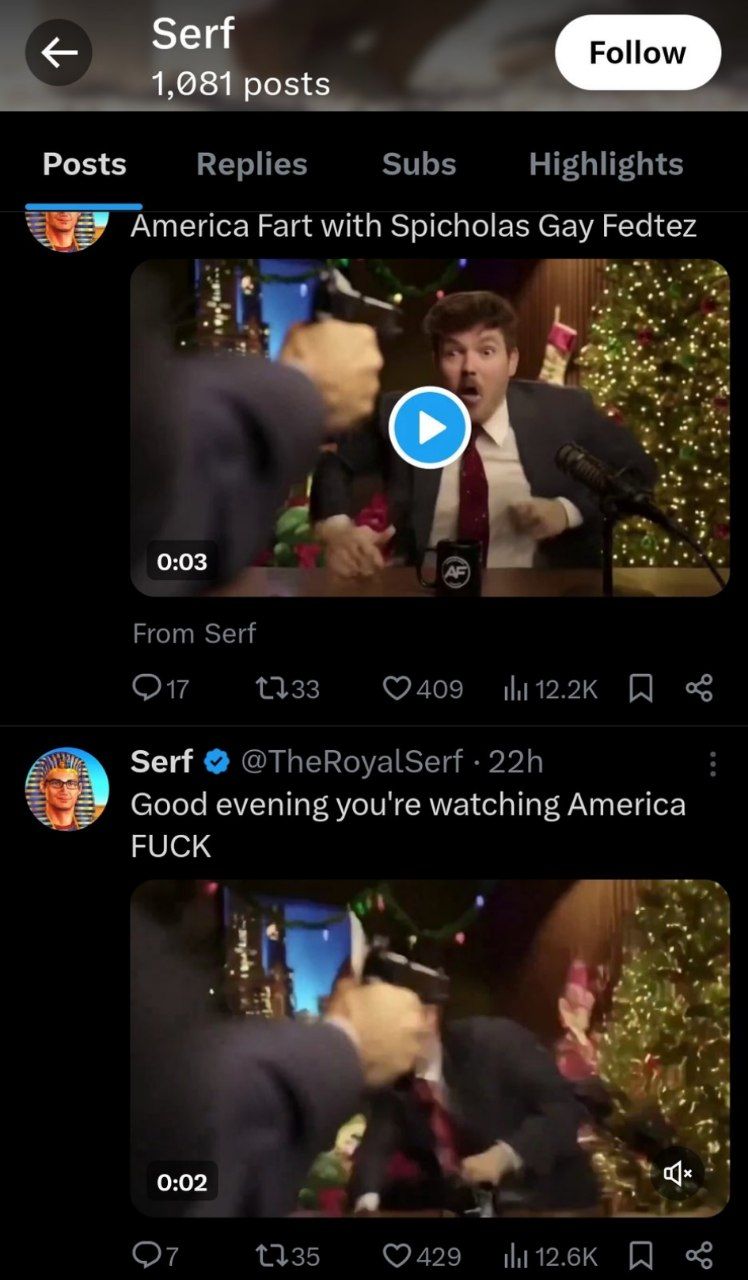
The Great Meme War: A Cabal Clash & Doxxing
Recently, the topic of doxxing has become a central argument among some commonly known X Space personalities. The discussion often revolves around the ethics of revealing someone's identity for public scrutiny or retribution, especially when those individuals have controversial or extremist views. The logical response, of course would be to respond by doxxing private messages.
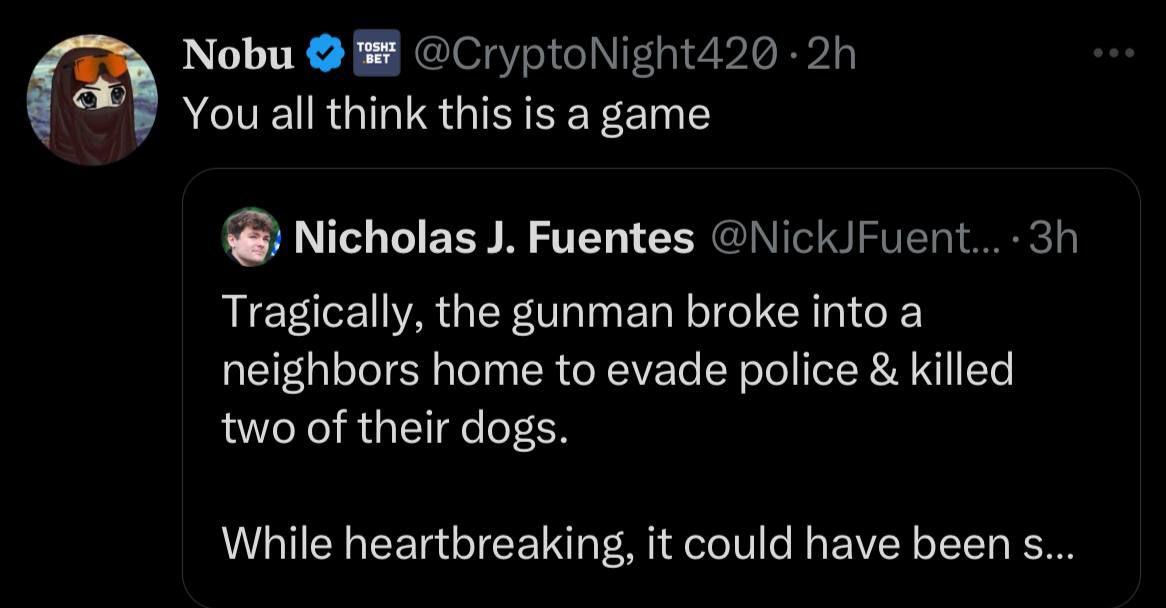
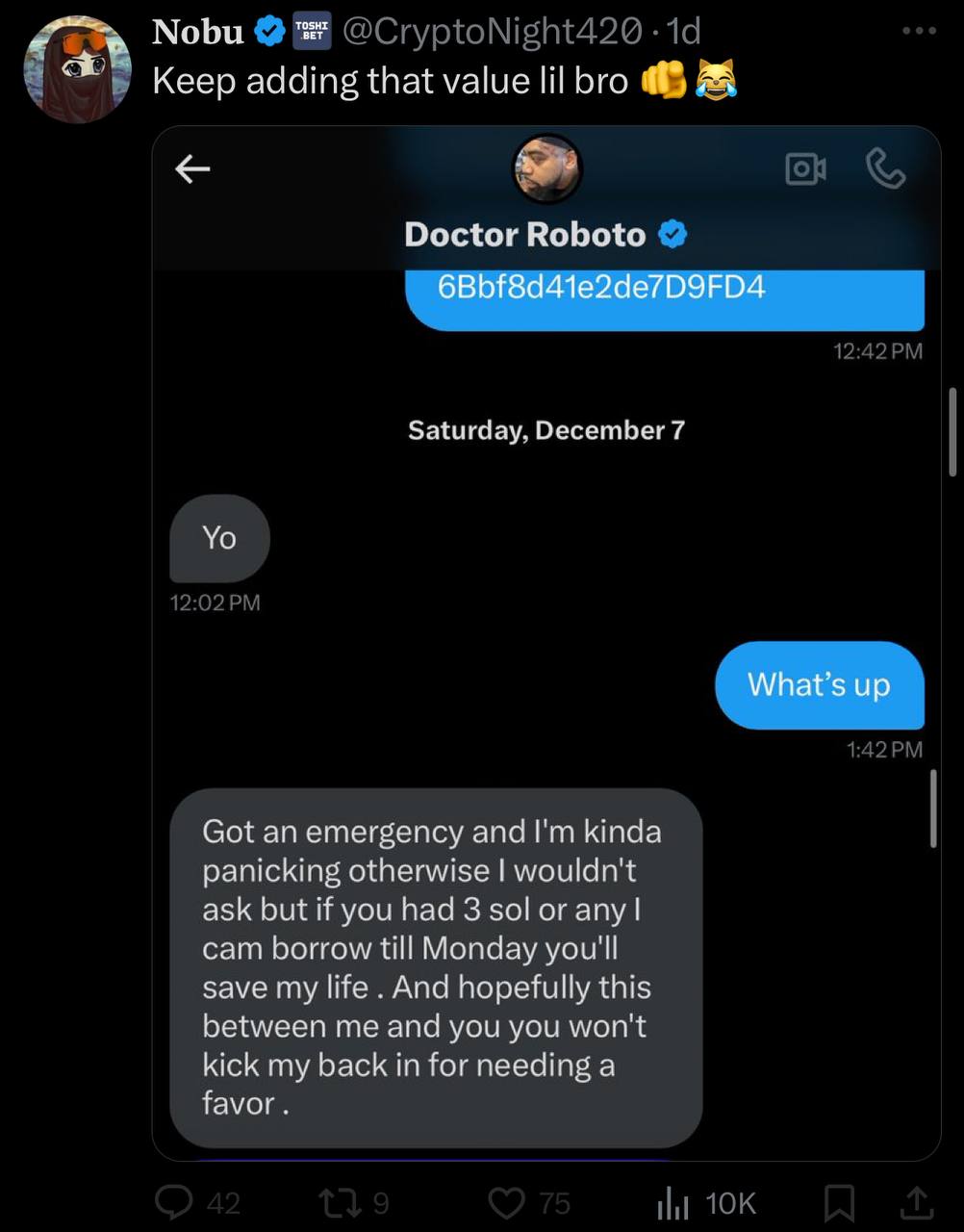
At what point does the exposure of someone's identity for the sake of internet justice or revenge cross into the realm of unethical behavior?

I hate Nick Fuentes, but Twitter is basically just a parade of “worst person you know makes a good point” rn. Doxxing should be punishable by federal law, but it really shouldn’t have taken a neo nazi almost getting popped for these people to care about it.
In light of this event, we are left with a significant moral question: If revealing someone's personal information online can lead to their harm or death, how should we address the line between digital actions and physical consequences? Should there be stricter regulations around the sharing of personal information, or does this infringe upon the fundamental right to free expression? The answer to this question could redefine how we interact online, ensuring that digital freedom does not come at the cost of human lives.
Hey @elonmusk you said doxxing would be banned on X but for the past month people have been regularly doxxing the address of Nick Fuentes to millions of views with no action taken. Now that people are trying to murder him will @X commit to actually enforcing this policy? pic.x.com/f0QB8O7Jjk x.com/NickJFuentes/s…
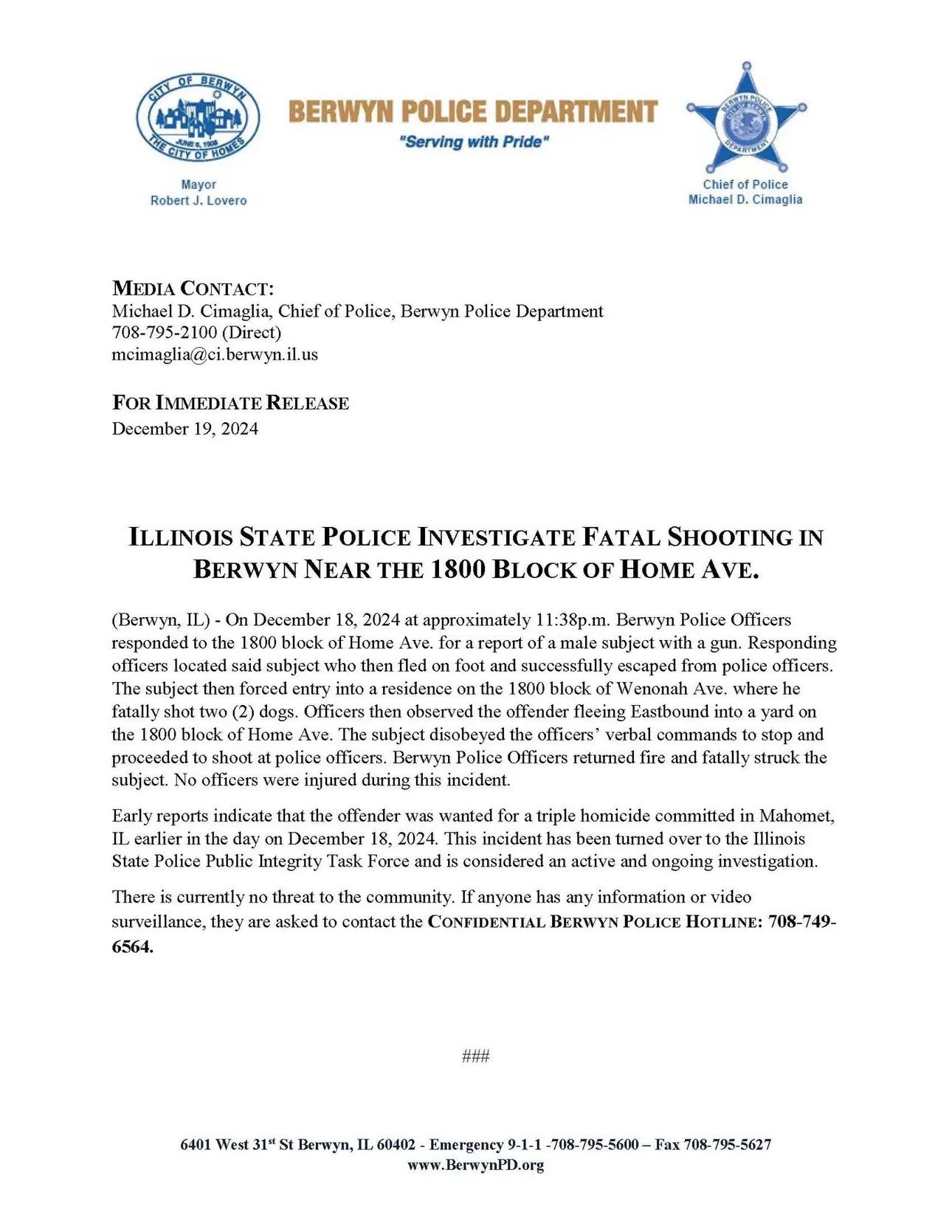
The balance between transparency and privacy, especially when dealing with figures like Fuentes, whose views provoke strong reactions, is delicate. While his beliefs and the content he promotes are widely condemned, does that justify actions that could lead to his harm or death? The community wasted no time responding.

If this is true it proves why doxing is not a troll or a joke but essentially an act of attempted murder. People do this because they very explicitly want to get the target killed. It should be treated as a criminal offense and those who participate in doxxing campaigns should be held liable when this inevitably happens.

This is the best possible advertisement for Ring. Opinions about Nick Fuentes aside, imagine if he didn’t have this camera. He would be dead. Terrifying. pic.x.com/xtkxBgZeE9
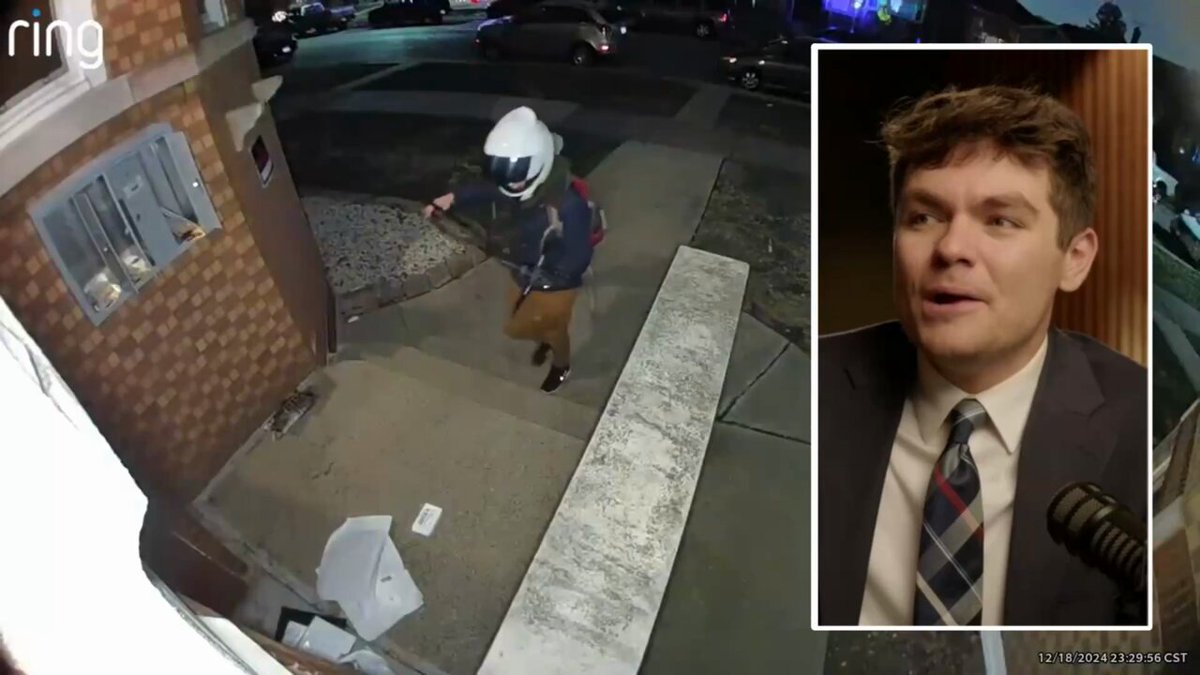 Video not archived · View on X
This situation calls for reflection on the digital ethics of doxxing, the right to privacy, and how society should respond to those with whom it may fundamentally disagree.
Comments (4)
Replies to this article as we captured them. Accounts we track link to their profile.
Replying to @_CXMZ
Pillsnthrillsandbellyaches 🟢-'@pillsnthrills0x@_CXMZ Why did the dude want to kill nick,is he an asshole?
1 replies0 reposts1 likes74 viewsas of Thu, 22 Oct 2026 02:03:51 GMTReplying to @pillsnthrills0x
CTMZ@_CXMZ@pillsnthrills0x From what's been gathered off X and the internet today, pretty much. A series of online X individuals, some well established, were seriously riled by extremist content and that lead to the eventual doxxing which has resulted in this.
1 replies0 reposts1 likes75 viewsas of Thu, 22 Oct 2026 02:03:51 GMTReplying to @_CXMZ
CTMZ@_CXMZ@pillsnthrills0x CONTENT HIGHLIGHT: I didn't share this in the publication for obvious reasons... x.com/KeithWoodsYT/status/186…
0 replies0 reposts0 likes73 viewsas of Thu, 22 Oct 2026 02:03:51 GMT
Replying to @_CXMZ
Cryptocious Hodlemann | Citizen 1485 | ▚▘▚▘▚▘@cryptohodlemann@_CXMZ Solid article
0 replies0 reposts1 likes51 viewsas of Thu, 22 Oct 2026 02:03:51 GMT