Pepe, BAYC & The Battle for Meme Ownership
6/9/2026, 7:29:11 AM
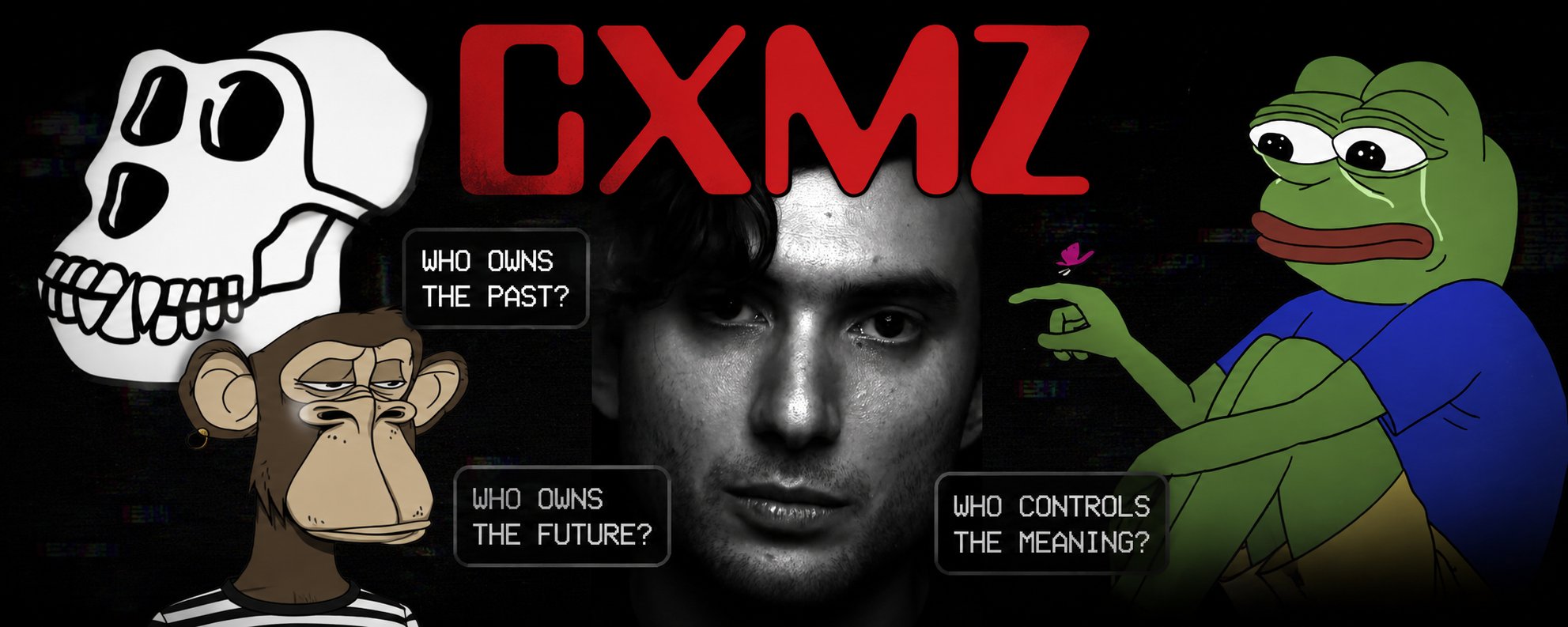
You cannot understand where we are without first understanding where we've been.
Biology is driven by genes. Culture is driven by memes. We begin with Dawkins' concept of memes and in the quote above he really did say it best. This is what captivates the collective wave of mindshare, it's what defines what is the culture of the internet. It's exactly what happened to Pepe.
Long before NFTs, memecoins, profile pictures, and billion-dollar digital collectibles, the internet was already engaged in a strange evolutionary experiment. Images competed for attention. Ideas mutated. Symbols changed meaning. What spread determined survival.
Not the strongest because they were true. Not the strongest because they were good. It wasn't always truth or goodness that determined survival, but the power of what spread.
This isn't really an NFT story. It isn't a story about racism. It's a story about how the internet changes the meaning of symbols.
In 2007, a cartoon frog named Pepe appeared in an independent comic series called Boy's Club. Created by artist Matt Furie, Pepe was harmless. A laid-back frog capturing the sweetness in the moments of mundane every day life whose most famous phrase was simple: "Feels good man."

Pepe might be the most complicated meme in internet history. He was created by Matt Furie for his comic Boy’s Club in the mid-2000s, where the original “feels good man” panel was just a weird little joke about a chill cartoon frog. Then the internet took over. Pepe spread through forums, Myspace, Gaia Online, 4chan, reaction images, rare Pepes, and eventually became one of the most remixed characters online. But unlike most memes, Pepe’s story got darker when he was hijacked for political extremism, leading Furie to spend years trying to reclaim him. What started as a harmless frog became a symbol of everything weird, creative, chaotic, and broken about internet culture.
What happened next may be one of the most important case studies in modern internet culture. Pepe became a symbol of humour, rebellion and even hate. Personal interpretation.
Replying to a post
@Matt_Furie Feels good man pic.x.com/VE81FOojud
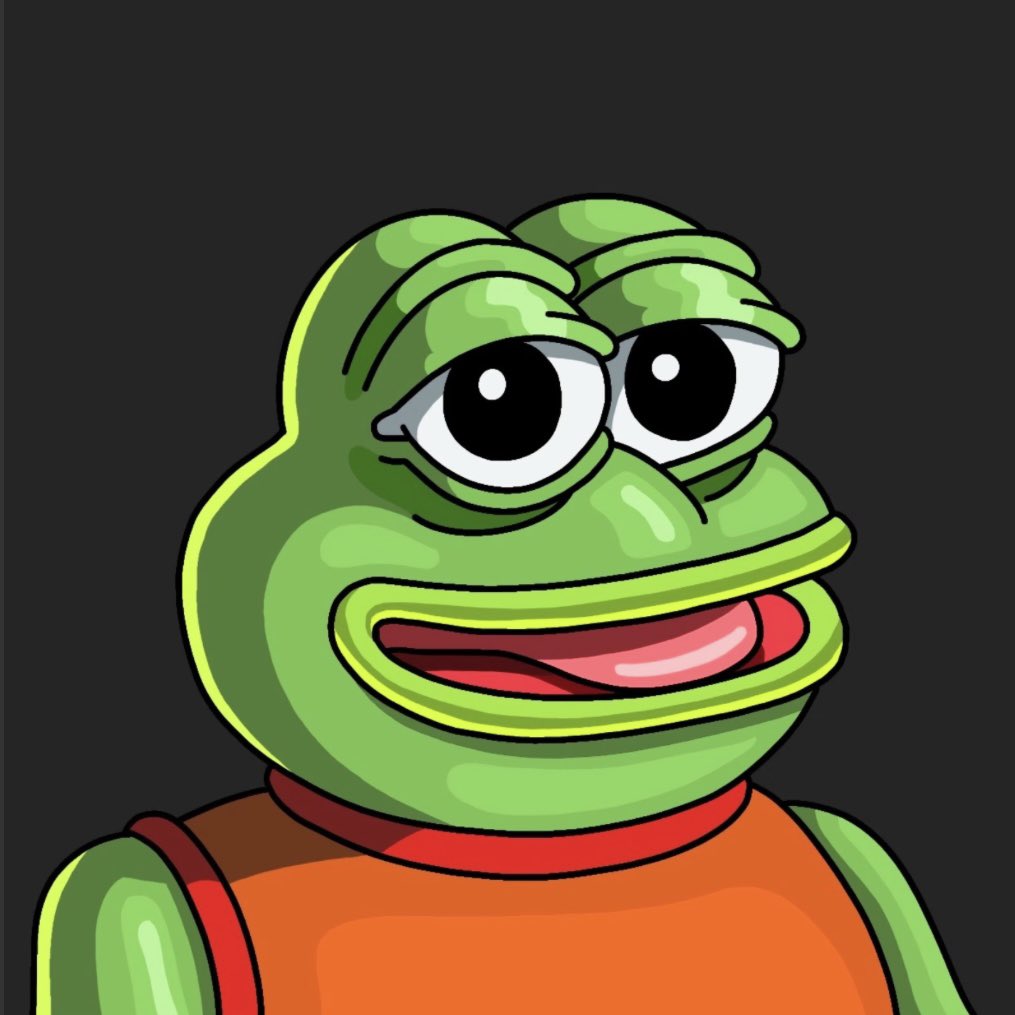
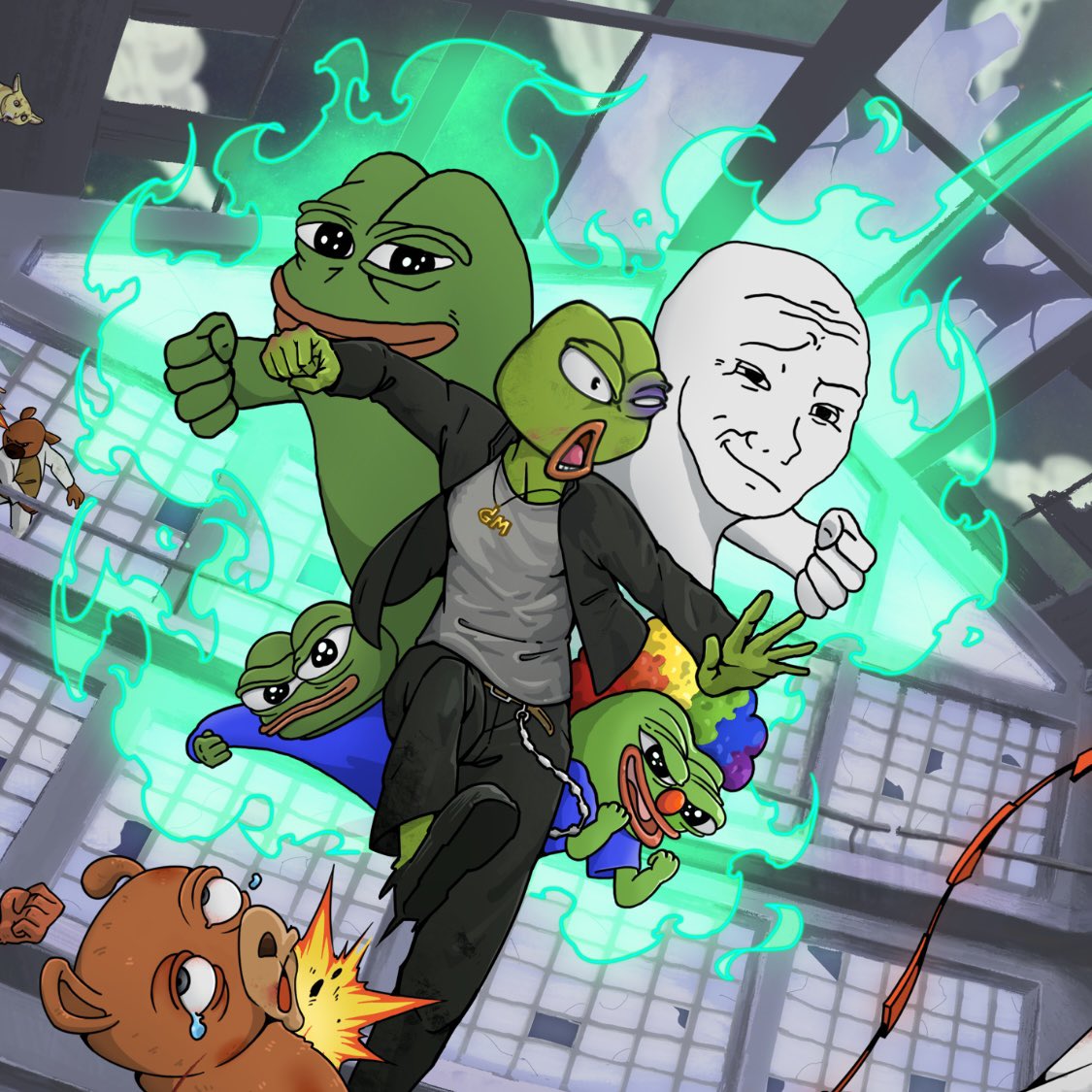
The same image carried completely different meanings depending on who was looking at it and who was memeing it. Like all great art, bigger than itself, than the original creator. Transcending boundaries, defying containment and ever expanding beyond any societal limits. Far bigger than it was ever intended to be. That is the power of the internet. And we proved we too shape what symbols become.
Over the following decade, Pepe escaped his creator. The frog was copied, remixed, altered, weaponized, politicized, commercialized, and transformed into thousands of different versions of itself. And his creator was dragged through and blamed for all of it, all while trying to regain ownership.
Strength & Honor 🐸 pic.x.com/utrdqnfRFY
The Evolution of Pepe
i may be delusional but i am free $PEPE pic.x.com/Ah7MiJIJOu
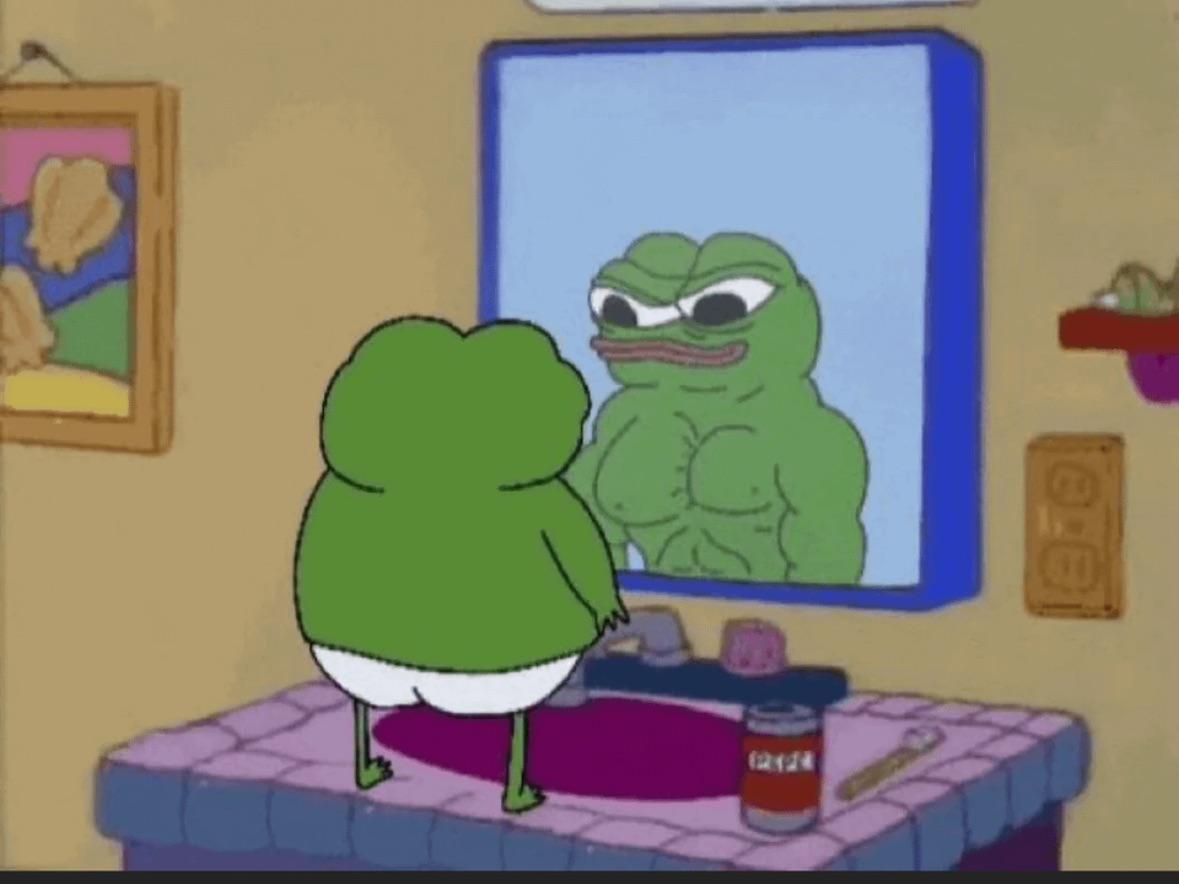
The frog evolves through Darwinian competition for attention. The relentless struggle for survival and reproduction among living things and the ever evolving landscape of internet culture. Every mutation becomes more shocking, more absurd, more offensive. The internet rarely leaves anything captivating untouched. The versions that spread aren't necessarily the most wholesome but rather they're the ones that attract attention.
Pepe becomes:
- Sad Pepe
- Rare Pepe
- Kek
- 4chan Pepe
- Political Pepe
- Hate-symbol Pepe
The creator loses control. Matt Furie didn't choose most of those evolutions. The internet did. As Pepe spread through forums, image boards, and social media platforms, users began creating new versions of the character. Sad Pepe. Angry Pepe. Rare Pepe. Smug Pepe. Every variation carried slightly different meanings. Every variation attracted a different audience.
The frog became less of a character and more of a blank canvas. A vessel. And like many symbols before it, the meaning of Pepe increasingly depended on who was using it.
The internet had begun rewriting the original story.
And that's the first lesson:
Once released onto the internet, ownership and authorship become very different things.
It raises a difficult question. When a symbol spreads across the internet, who decides what it means? The creator? The community? The loudest voices? Or does the internet itself make that ever evolving decision?
That question sits at the center of one of the most controversial debates in NFT history: the ongoing discussion surrounding the Bored Ape Yacht Club.
The Age of Irony
As the internet matured, something strange began to happen.
The same networks that allowed information to spread at unprecedented speeds also allowed people to experiment with identity. Behind anonymous usernames and cartoon avatars, individuals were no longer bound by the same social consequences that existed in the physical world. This was the power of 4chan. The screen became a mask.
Message boards like 4chan became laboratories for a new kind of communication. Users competed for attention by being funnier, stranger, more shocking, and more offensive than the post before them. The objective was often not sincerity but reaction. It was a dark spiral into attention economy.
Outrage, confusion and offence became entertainment.
In this environment, irony evolved into something far more complex than sarcasm. A user could say something outrageous. If challenged, it was labelled as an in-joke. If the joke gained traction, perhaps it wasn't a joke. If criticism followed, critics simply didn't understand the joke.
Meaning became deliberately unstable.
This phenomenon has been described by researchers and commentators using terms such as "post-irony," "esoteric irony," and "guarded irony". All forms defining communication where the speaker intentionally blurs the line between sincerity and performance.
The power of guarded irony lies in its ambiguity.
A statement can simultaneously function as a joke, a provocation, a signal, and a shield. The audience is left asking the same question: Were they serious? Or were they kidding? The answer is often both. And sometimes neither.
Within these communities, layers of references began forming beneath the surface. Images carried meanings that outsiders could not immediately recognize. Symbols, numbers and phrases became shorthand. Entire conversations could occur through implication alone.
This is where concepts such as dog whistles and esoteric symbolism entered the broader public conversation.
A dog whistle, by definition, is a message that appears harmless to most people while carrying a secondary meaning for a specific audience. Whether intentional or accidental, symbols can acquire these hidden associations over time. The internet accelerated this process. Communities developed inside jokes. Inside jokes evolved into coded language. Coded language evolved into identity. And identity evolved into tribes and therefore tribalism. Meaning became layer and exclusive.
Some participants engaged with these symbols purely for humour. Others used them for provocation. Others embraced the underlying ideas entirely. The problem was that from the outside, distinguishing between these groups became nearly impossible. The very reason these symbols become so incredibly contentious, the same discussions reverberating today.
The joke and the belief began to occupy the same space.
This dynamic became especially visible during the rise of meme-driven political culture in the mid-2010s. Online communities discovered that images could carry messages more effectively than arguments. Memes became cultural weapons, recognized only by a select group that shared in their ideals guarded by irony. A single image could spread further than an essay ever could.
Pepe the Frog was among the most visible examples.
What began as a cartoon character became a vessel onto which countless interpretations were projected. Some harmless. Some absurd. Some explicitly political. Some intentionally offensive.
The frog itself had not changed. The people using it had. And that distinction would become increasingly important. Because once a symbol accumulates enough interpretations, the debate is no longer about what the creator intended. The debate becomes about what the symbol means now.
And that question would eventually find its way into one of the most controversial projects in NFT history.
Enter The Bored Ape Yacht Club
By the time the Bored Ape Yacht Club launched in 2021, the internet already possessed a long history of layered symbolism, inside jokes, coded references, and communities fluent in irony. This is what makes the BAYC debate so unusual. The controversy was never simply about cartoon apes. It was about interpretation.
To supporters, BAYC represented the pinnacle of NFT culture. A digital membership club that evolved into one of the most successful brands in crypto NFT history. Celebrities joined. Investors piled in. Communities formed. An entire ecosystem with derivative offshoots emerged around the collection.
To critics, however, the project appeared to contain a growing number of references that felt difficult to ignore.
The most extensive public presentation of these claims appeared through GordonGoner.com and later through the work of artist Ryder Ripps and the counter-culture RR/BAYC NFT collection. Ripps who argued that the project contained layers of imagery, symbolism, and references connected to extremist internet culture. And supposedly only if you had an intrinsic understanding of human history paired with the lore of internet culture intertwined.
Replying to a post
@AlchemistTheOG here is a video for you from wayback machine off the gordongoner.com site @AlchemistTheOG. scroll all the way to the bottom. web.archive.org/web/2026010109…
The allegations ranged from subtle to extraordinary.
Critics pointed to the BAYC logo and its resemblance to historical insignia. They highlighted the skull iconography, the number of teeth used in the design, specific traits found throughout the collection, references to military symbolism, and the appearance of imagery that they argued echoed extremely controversial historical motifs. Other claims focused on specific ape numbers, including the appearance of combinations such as 1488, a number widely recognized as carrying significance within neo-Nazi communities.
XCLUSIVE: The following video is not affiliated with CTMZ. We’re diving into the public discussions surrounding the speculative debate on historical symbolism in the assets used within Bored Ape Yacht Club NFTs (non-fungible tokens). This video is using excerpts from Philion’s original work. Full credit to Philion and the others involved in the original making of. We encourage you to watch the full source for full context. We’re not picking sides, just presenting the ongoing discussion so you can decide for yourself. A deeper exposé is in the works. Stay tuned.
Additional attention was placed on launch dates, references embedded within promotional material, visual similarities identified through logo overlays, and traits that critics argued mirrored imagery associated with extremist movements. Famous comments? Damon Dash publicly questioned the monkey/ape trope as old racist imagery. Ian Dunlop weighed in on the vibe. Does racism apply?Celebrity worship exploded. The New York Times ran pieces dissecting the hype, the grift, the opaque transactions, and the cult-like belonging. The original artist? Seneca (All Seeing Seneca), lead designer, Asian-American RISD grad. She drew the core apes line-for-line. Evolution from her concepts to the final assets happened under Yuga Labs' direction.
This just live. The @RollingStone did a profile piece on me. By the awesome, fellow metalhead @HissongSamantha It's been a long journey, but we're here now. rollingstone.com/culture/cultur…
Even the choice of apes as the central subject became part of the debate, despite the cultural reference to apes in crypto in general.
Historically, apes have occupied an uncomfortable place within racist caricatures and propaganda. Critics argued that this historical context made certain design choices worthy of closer examination.
Supporters rejected these claims entirely.
For many holders, the allegations resembled an elaborate internet conspiracy board assembled after the fact. They argued that enough symbols, numbers, and images exist within any sufficiently large project that patterns can always be discovered by those determined to find them.
Ten thousand unique NFTs contain thousands of traits, combinations, and visual elements. Given enough time, supporters argued, almost any narrative can be constructed from a sufficiently large dataset.
The dispute ultimately became less about individual references and more about probability. How many coincidences are too many? At what point does a collection of unrelated observations become a pattern?
Replying to a post
I don’t t have a dog in the fight, but the video was weak on actual facts and big on conspiracy back Then and still is If A then B then C One thing we have today that we didn’t back then is AI, which makes it easier for everyone to do their own research about each point brought up in the video
And perhaps more importantly: When does pattern recognition become pattern creation?
For critics, the sheer volume of references created a mosaic that appeared impossible to dismiss as accidental.
For supporters, the same evidence represented a form of digital pareidolia —the psychological phenomenon of seeing meaningful connections where none were intentionally placed. Random or vague stimuli.
Both sides were looking at the same images. Both sides were seeing something entirely different. And as the debate intensified, the conversation moved beyond internet forums and into courtrooms. Mainstream media, public scrutiny and even legal conversations. What began as a niche dispute over coded imagery now raised fundamental questions about accountability, cultural responsibility, and what happens when the coincidence of symbolism becomes too big to contain. All of it leaving lasting implications on the culture as a whole.
RR/BAYC & The Ryder Ripps Problem
If Pepe teaches us that the internet destroys ownership of meaning, the Ryder Ripps saga asks a different question: What happens when someone tries to take that meaning back?
In 2022, artist @ryder_ripps launched RR/BAYC, a project that reproduced Bored Ape Yacht Club imagery while promoting the argument that the original collection contained layers of extremist symbolism and references that deserved public scrutiny.
The campaign quickly evolved beyond an art project. It became a movement.
now that i see it i cannot unsee it #BURNBAYC
Under hashtags like #BurnApes, supporters framed the effort as a form of protest, criticism, and exposure. The argument was straightforward: if the imagery contained harmful symbolism, the public deserved to know.
Join here: t.me/BURNBaycETH pic.x.com/dr7X9yANVq
But the method created an unusual paradox. To expose the images, the images had to be reproduced. To criticize the symbols, the symbols had to spread further. To fight the meme, the meme had to be memed. The result was one of the strangest conflicts in NFT history.
A project accused of embedding hidden meanings found itself battling a second project dedicated to amplifying those alleged meanings.
Both sides claimed to be protecting the public. Both sides claimed to be defending truth. Both sides relied upon the exact same images.
The dispute eventually moved into court, where questions of trademark infringement, intellectual property, artistic expression, and consumer confusion replaced the language of internet forums, Twitter threads, crypto culture today as we know it and what is "allowed". @yugalabs sued for trademark infringement. Courts mostly sided with Yuga.
Yet beneath the legal arguments sat a much older philosophical question. Who owns meaning? The creator? The audience? The critic? The market? The internet? This is where the story becomes particularly ironic.
The internet culture that gave birth to modern meme culture was built upon remixing, copying, reposting, and transforming existing content. Images evolved because nobody could control them. Symbols survived because they escaped ownership, intention and meaning. The internets very openness, the lack of ownership and deliberate tolerance for guarded irony is what makes these cultural phenomenons so powerful in the first place. None of those things culturally should fit into any traditional, legal ramifications for freedom of use. Not when it comes to the ideals of freedom of speech or interpretations of art. The desire of crypto cultures ideals verse the friction of mainstream "normie" laws.
Pepe became Pepe precisely because no one could stop the internet from changing him.
Yet years later, one of the largest NFT collections in history and one of its most vocal critics found themselves locked in a legal battle over who possessed the right to control the narrative surrounding a collection of cartoon apes. The internets liberating potential versus the real-world limits of control.
For many observers, the entire conflict felt bearish.
A costly war of lawsuits, outrage, social media campaigns, and competing interpretations that consumed enormous amounts of attention, money, and energy. For others, it represented something unavoidable. The benchmark moment internet culture collided with intellectual property law. The moment memes became valuable enough to own. The moment symbols became valuable enough to litigate.
And perhaps that is the strangest outcome of all... the same internet that once celebrated the death of ownership had finally become rich enough to fight over it.
Because that's the contradiction at the center of BAYC, RR/BAYC, Pepe, NFTs, meme culture, and crypto itself. The internet said nobody owns culture. Then culture became worth billions. And suddenly everyone wanted a lawyer.
Pepe was never supposed to become a hate symbol.
Bored Ape Yacht Club was never supposed to become a courtroom battle over iconography, dog whistles, and internet conspiracy theories.
Yet both stories arrived at the same destination.
Once an image enters the internet, it begins evolving beyond its creator or creators.
Every repost, remix, meme, accusation, lawsuit, and community interpretation becomes part of its DNA. The market can assign value. The courts can assign ownership. The media can assign narratives. But none of them can fully control meaning.
Perhaps that's what makes the internet the most powerful cultural machine ever created. It consumes symbols, mutates them, and returns them to the world as something entirely new. Unless of course you're well versed on the historical use of the imagery involved. And then maybe that alone defines the symbols meanings for you.
So when millions of dollars, years of litigation, and entire online movements have been built around a frog or a collection of cartoon apes, the question is no longer whether the symbols mean what their creators intended.
These questions will shape how we understand ownership, value and authorship in a digital age. Impacting not just art and law, but the future of crypto itself. Especially with projects that emerge with even bigger stakes.
The question is: Once the internet decides what your art means, who, if anyone gets to decide that it's wrong?
This goes both ways.
The internet seems to answer: Nobody. And everybody. At the same time.
Yet here we are: BAYC resurgence in full swing. NFTs are so back. New community members probably have zero clue about the origin history of some assets or the evolution of the symbols they've embraced.
For them, the apes are just that. An entry point into a new digital playground. The community evolved. Real utility, events, a massive holder base. It's by far the most successful NFT collection ever made.
The market decides. The internet decides. But every new wave of adoption will revisit these questions. Who owns the past? Who owns the future? And who, if anyone, can control the meaning? And furthermore, if you're not in on the in-joke do you really even fully grasp what it is you're representing or is the joke really on you. And does it even really matter and do you even really care?
Replying to a post
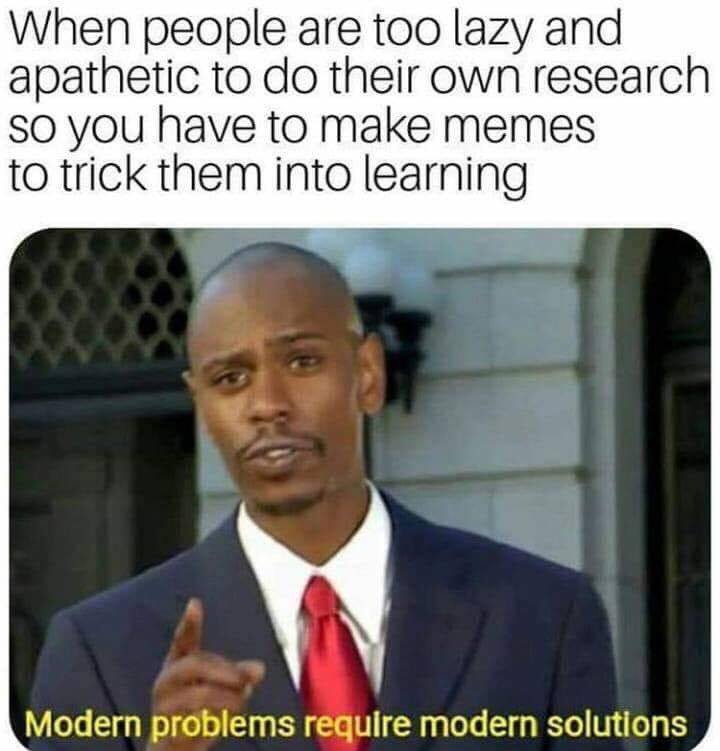
The more you push ownership, the more the internet pushes back. Once released, it's no longer the owners' to control interpretation. That's the cool thing about art... except when it comes to IP. Art always resists simple ownership, even as IP law and monetary values try to pin it down.
Replying to a post
@_CXMZ I think ur kinda missing the point It was our meme we made it raysis to take it bacc
The Sickness That Fuels It All
Clout. Validation. Ownership. Belonging. The crypto market's eternal sickness. Celebrity worship. Rage farming.
Is the Bored Ape Yacht Club the biggest internet troll in history?
A brilliant execution of 4chan irony at scale? Or just fun cartoon monkeys overanalyzed by terminally online sleuths? The topic remains the subject of ongoing public debate and differing interpretations.
In the end, is everything online just engineered to exploit you? Your money, your validation, your status, your rage, your time, your need to belong? No matter the cost.
Or does it just hit this deep part of human nature that wants to be a part of the club?
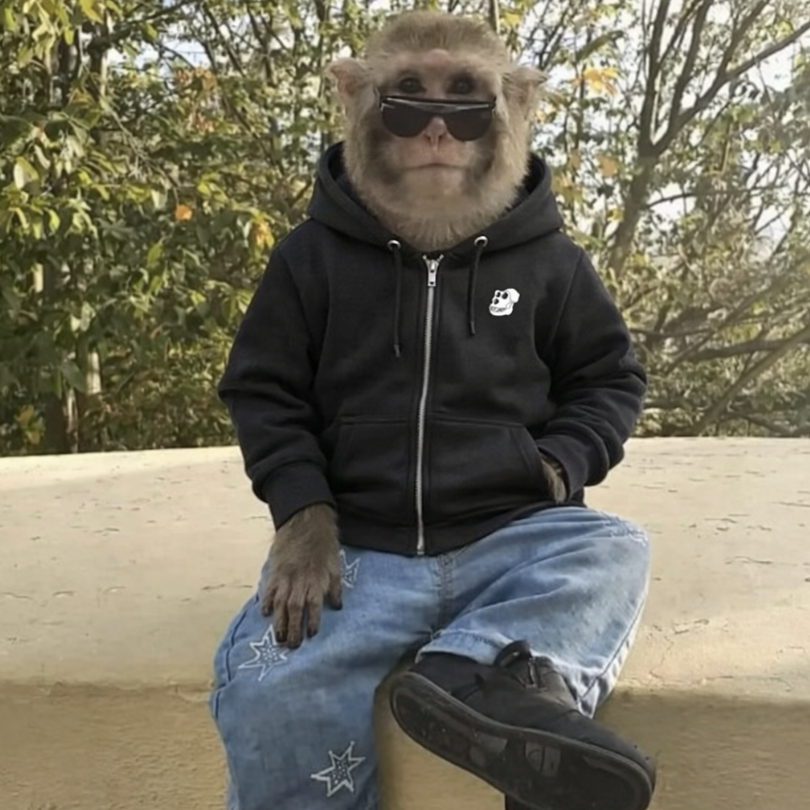
A Bored Ape is a way of life. pic.x.com/Bgt2h5T0ov
Radiohead - Everything In Its Right Place https://youtu.be/NUnXxh5U25Y?si=ynMO3YSfX5YV7aU5
Comments (3)
Replies to this article as we captured them. Accounts we track link to their profile.
Replying to @_CXMZ
小智🎒@XiaoZhi_BTC@_CXMZ Internet culture always owns the meaning, not the creator.
0 replies0 reposts3 likes45 viewsas of Sat, 17 Oct 2026 22:18:38 GMTReplying to @_CXMZ
CUZZIN 🥛@CuzzinOG@_CXMZ 🙌🙌🙌
0 replies0 reposts1 likes113 viewsas of Sat, 17 Oct 2026 22:18:38 GMTReplying to @_CXMZ
CryptoHeroᵍᵐ 🚀🌙@CryptoHeroTradr@_CXMZ Sooooo good! I learned a good amount of the lore because of this article. Thanks!! Solid work!
0 replies0 reposts1 likes34 viewsas of Sat, 17 Oct 2026 22:18:38 GMT