
SLINGOOR VS. DIOR: PUMP.FUN CALLOUT REWARDS, KOL BEEF, COPY TRADING & ACCUSATIONS
10/10/2026, 7:39:44 AM
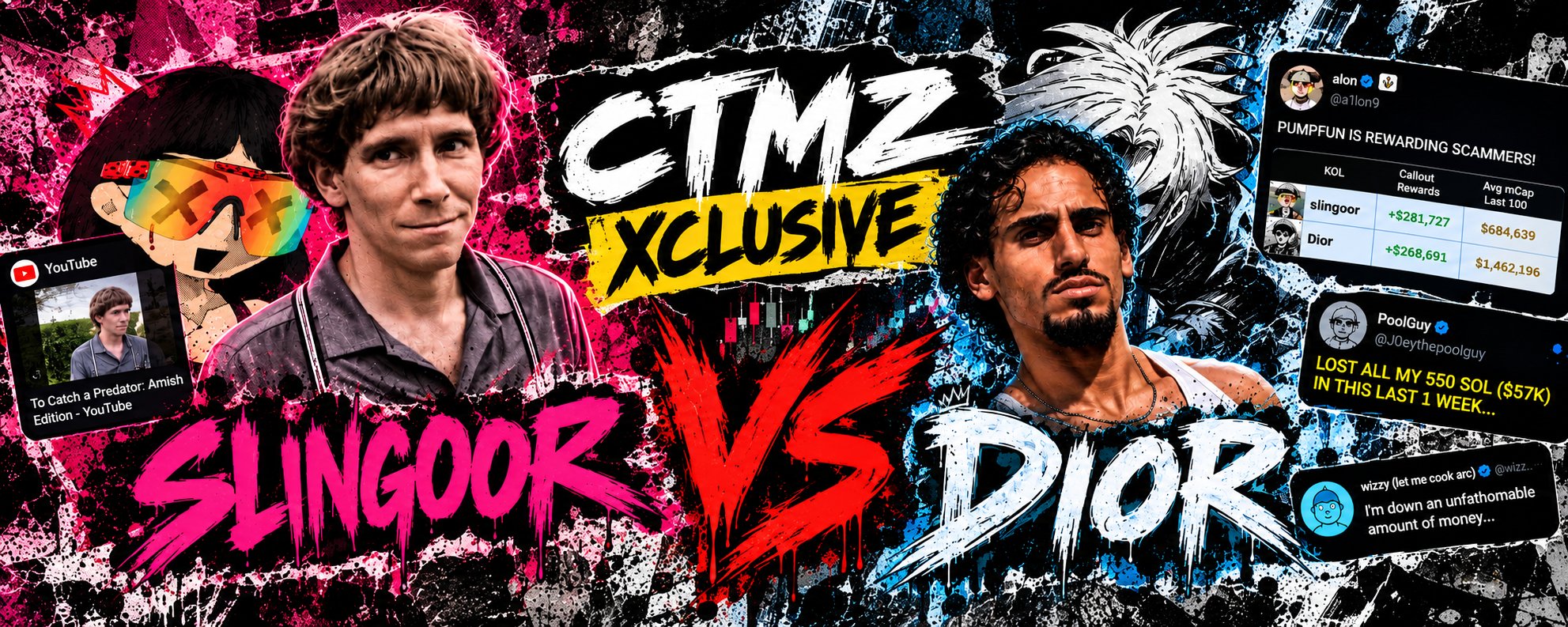
Pump.Fun Callout Rewards. Two KOLs. Copy trading. One extremely messy timeline. Hundreds of thousands in reported rewards. And retail caught in the crossfires. (What else is new?)
The Crypto Twitter X timeline is messy, but every so often it hands you a perfect little contradiction.
Enter Slingoor (@slingoorio on X) and Dior (@Dior100x on X), two prominent Solana KOLs currently engaged in what can only be described as a full-blown case of man drama.

What started as an ongoing feud over questionable calls and trading behaviour has escalated into accusations of side-wallet dumping, personal insults, photographs, memes, and a timeline that has absolutely no intention of behaving itself, ever.
I got people genuinely unfollowing me and saying they will not buy coins I’m in because I look like this. what a wild reason to not believe in a good traders intuition 💀🤣 x.com/faceofsol/stat…
And just when things couldn’t get any messier, Pump.fun co-founder Alon entered the conversation with some rather interesting numbers and some hot takes.
THE KOLS MAN DRAMA BEEF TEA
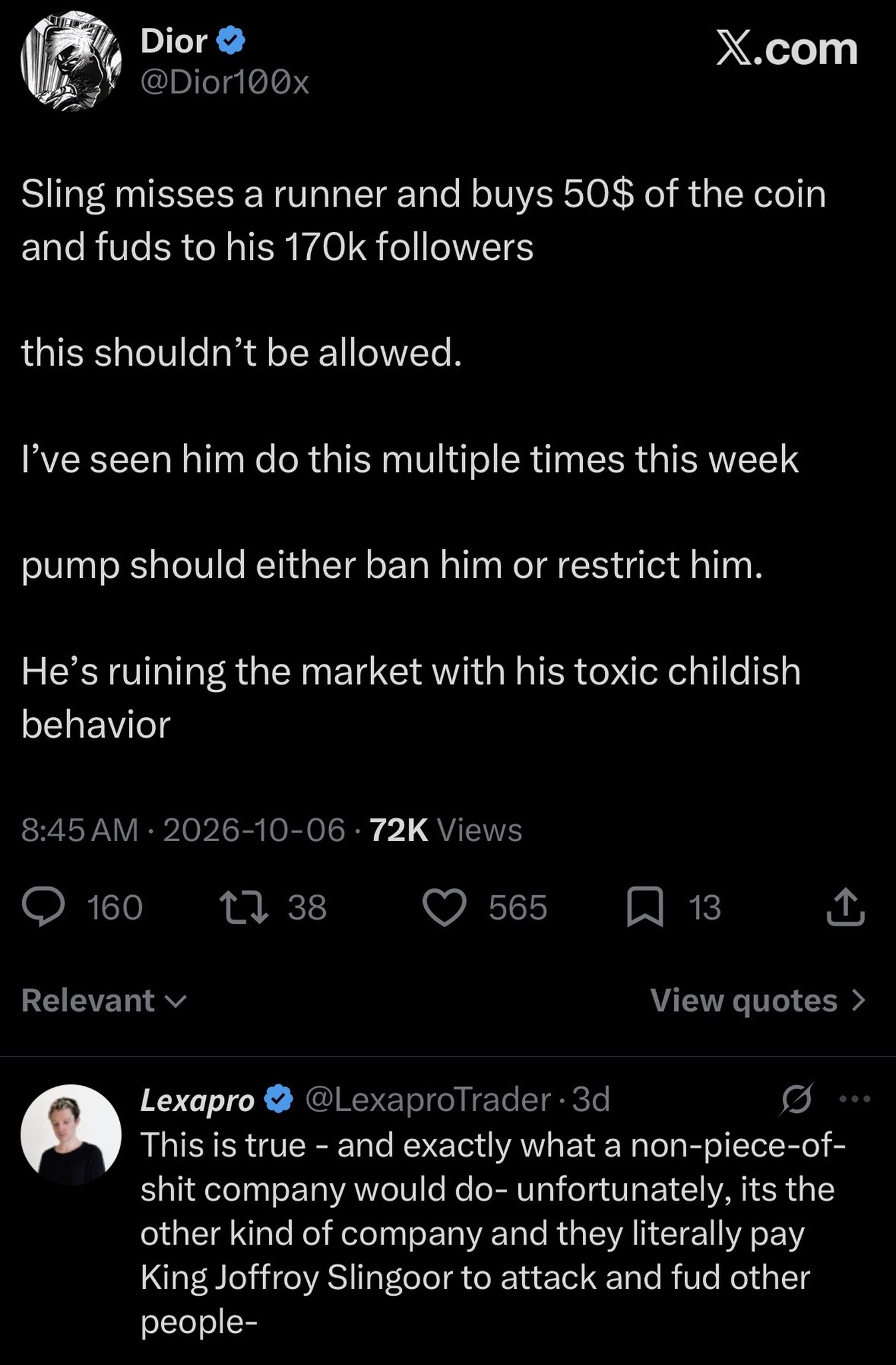
Sling misses a runner and buys 50$ of the coin and fuds to his 170k followers this shouldn’t be allowed. I’ve seen him do this multiple times this week pump should either ban him or restrict him. He’s ruining the market with his toxic childish behavior
Sling and Dior, the two have been going back and forth for a hot minute but their latest exchanges have brought renewed attention to allegations surrounding ethical trading practices in the world of super shitcoins.
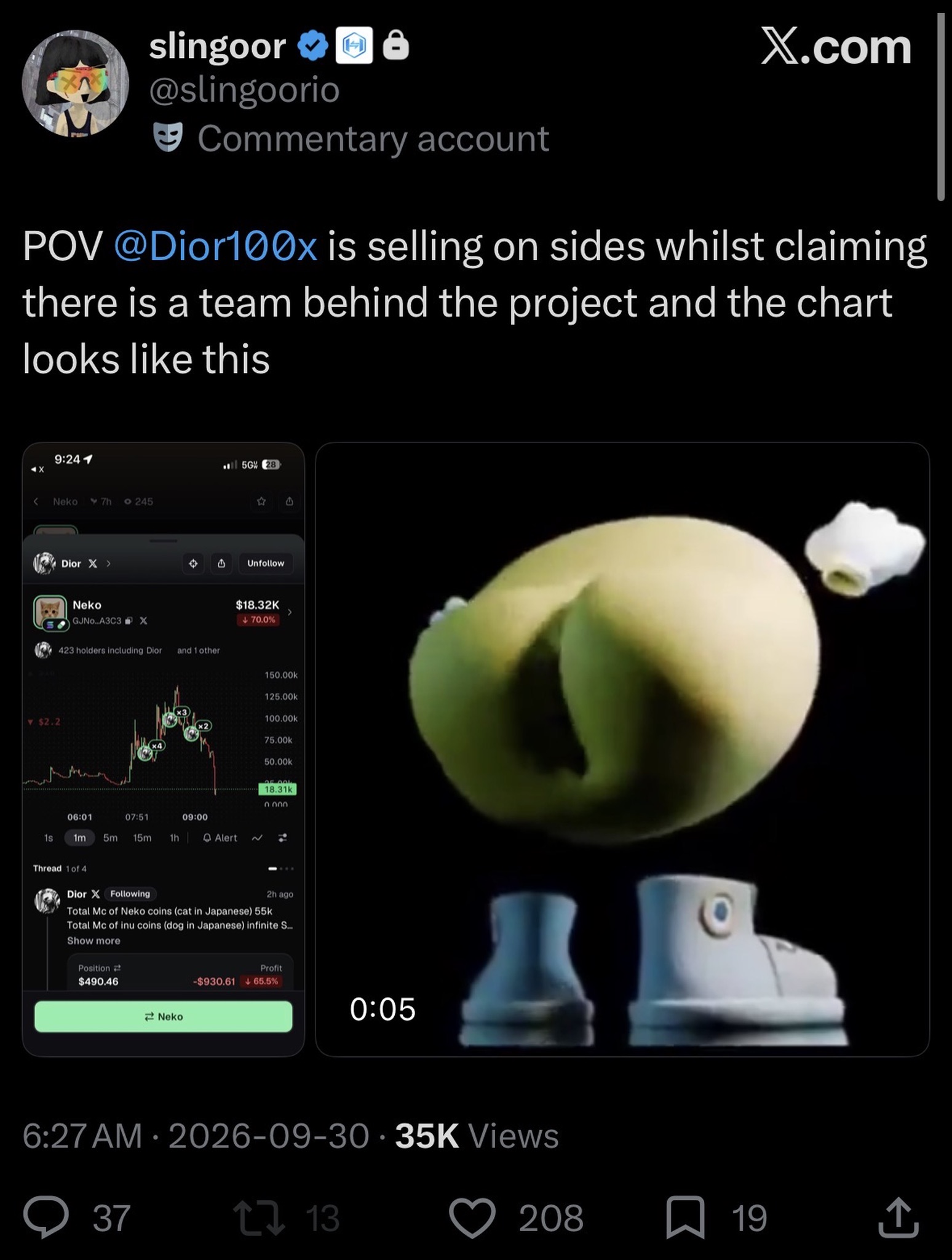
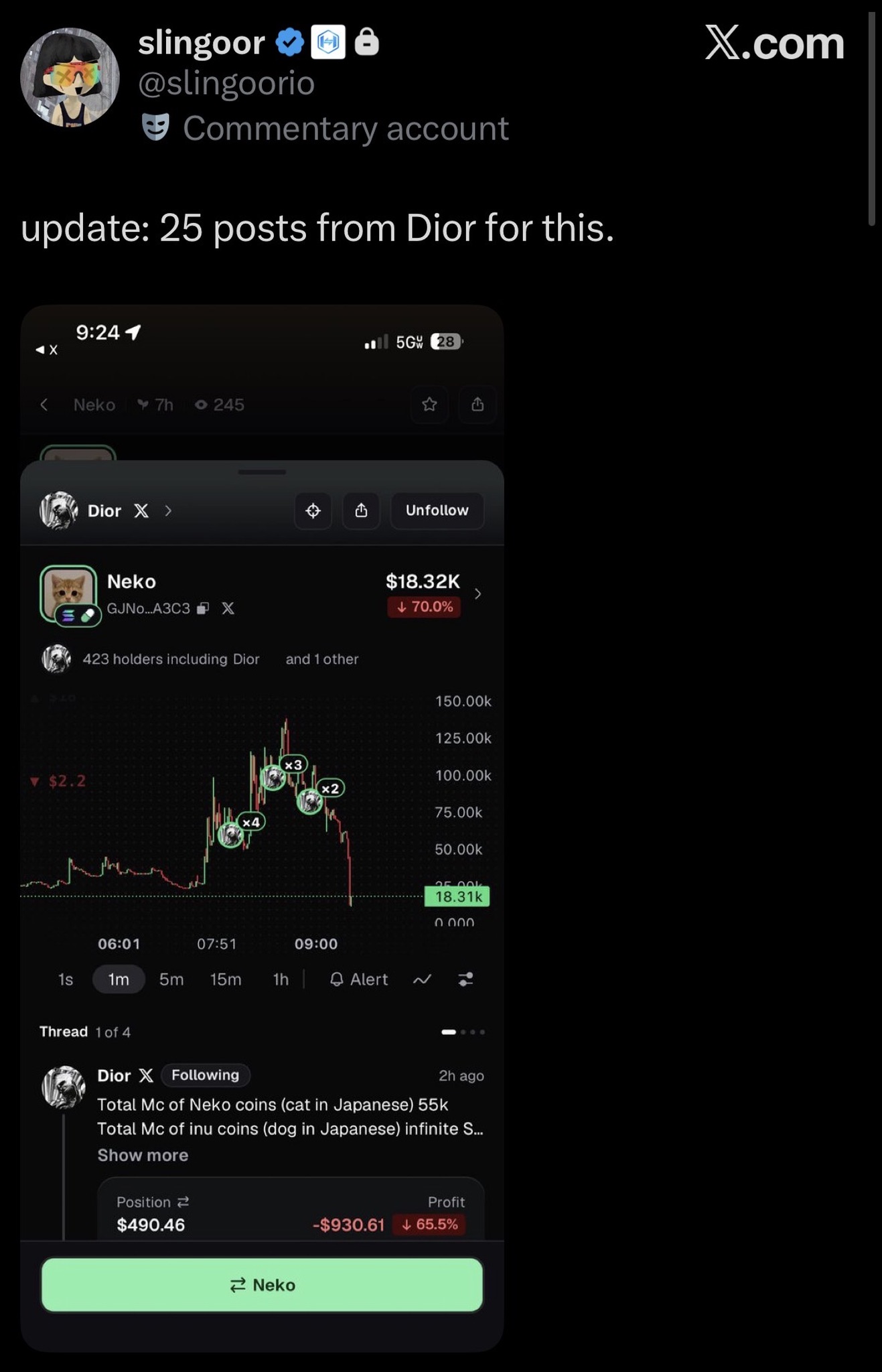
Slingoor publicly accused Dior of allegedly selling tokens through side wallets while suggesting to followers that a project had a team behind it. The accusation accompanied screenshots of the $Neko token chart, showing a significant decline.
Dior, meanwhile, has repeatedly criticized Slingoor’s behaviour and trading practices, accusing him of spreading FUD and creating unnecessary drama.
Neither side has independently established the other’s alleged misconduct. A chart showing a price decline doesn’t prove that someone secretly sold through additional wallets. But this is Crypto Twitter X. And apparently, arguing about charts just wasn't entertaining enough.
FROM SIDE WALLETS TO SIDE QUESTS
The feud quickly descended into super personal territory.
Dior directed a gay slur at Slingoor and suggested he belonged behind bars. Slingoor fired back with his own insults and commentary about Dior’s poopy trading performance and calls.
I don’t exactly like everyone on this list but one thing I think the entire list can agree on is that SLINGOR is a faggot and needs to be locked up x.com/a1lon9/status/…
Then came the photographs...
Dior publicly shared an image of himself, noting that an older photograph being circulated was several years old.
The picture everyone is constantly referring to was 4 years ago We up now nigga. t.co/Sp98Wi6Xjf
*Comments had us dying.*
100% of CT know who this is, do you ? pic.x.com/Ydn2qYCV7M

Naturally, the timeline took the opportunity to contribute its own commentary on both posts. AI jokes, appearance-based insults, memes, and increasingly ridiculous personal attacks followed.
Meanwhile, a troll image associated with To Catch a Predator began making the rounds in connection with Slingoor. (To be clear, the image is a joke referencing the television show. It is not Slingoor’s actual photograph or doxxing information, nor does it establish any criminal conduct.)
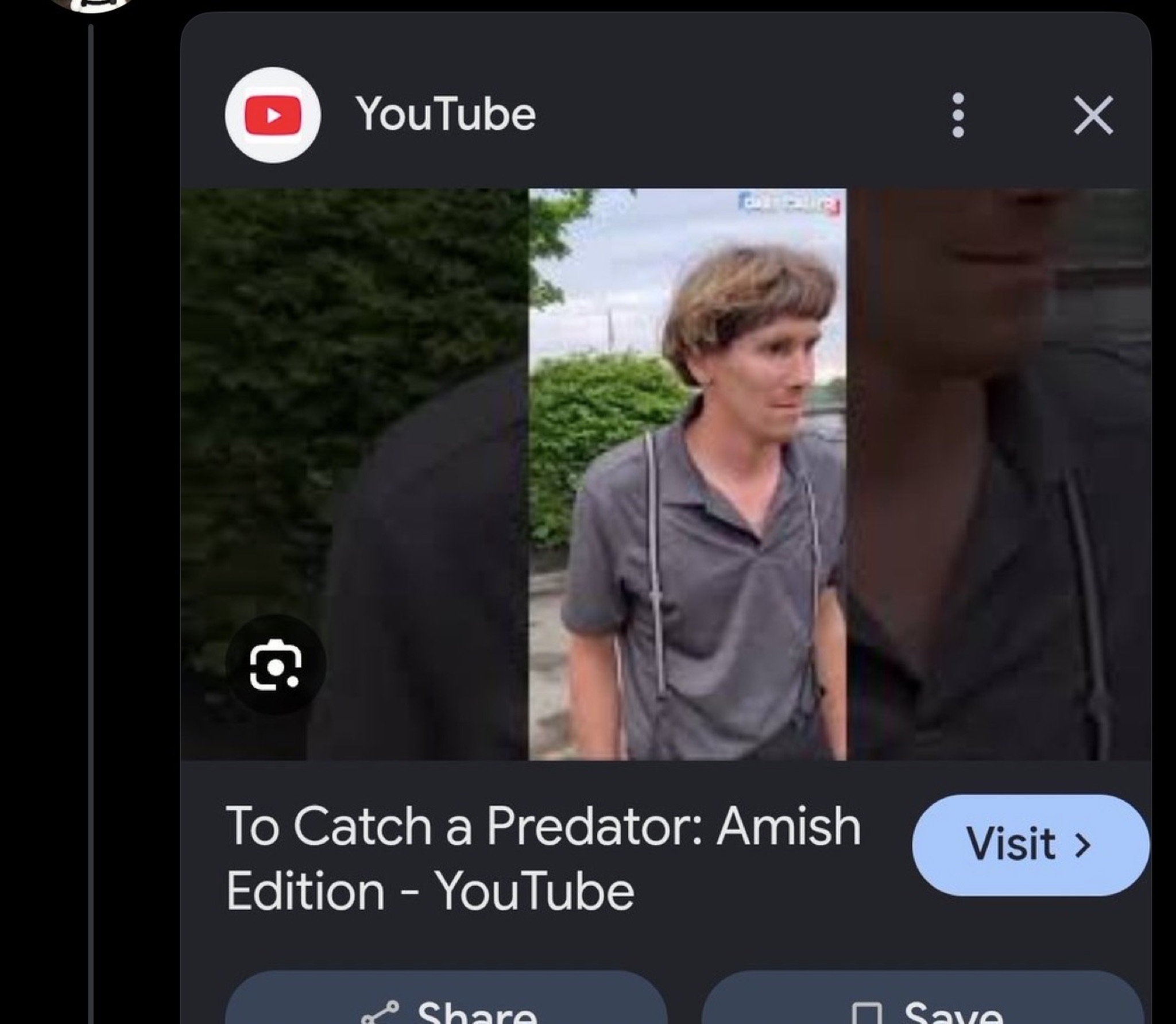
At this point, the trading accusations were competing for attention with a full-blown internet roast battle. And the timeline wasn’t picking a winner. It was munching the popcorn. It's unclear who really likes either pump.fun caller.
Replying to a post
@slingoorio Bro talk about your self 😂
ALON ENTERS THE CHAT
PUMPFUN IS REWARDING SCAMMERS! ...is what I would say if it were true Given the amount of takes surrounding a completely manipulated Callout Rewards table over the past day, I thought it's best if we give you data straight from the source. Below is a table which ranks the pic.x.com/b3ppdYUXXQ
On October 9, Pump.fun co-founder Alon (@a1lon9 on X) publicly addressed criticism surrounding the platform’s Callout Rewards program. His opening? “PUMPFUN IS REWARDING SCAMMERS!” Followed by: “…is what I would say if it were true.”
Alon argued that a circulating leaderboard was presenting misleading information about the program’s participants. He published an alternative breakdown that included average and median gains, explaining why he believed the previous comparison were unfair.
another very important note: any changes we make to the Callout Rewards algorithm lags by a number of weeks any historic Callout Rewards data takes weeks - if not months - to change as the better actors/earners overtake the worse ones (we can't reverse any rewards, even if we t.co/bQKFbLaVgL
He also acknowledged that some questionable traders receive rewards while defending the program’s intention to compensate legitimate participants. And here’s where things get interesting.
According to Alon’s published table:
SLINGOOR • Reported Callout Rewards: $281,727 Median gain: 2.4x • Average gain: 4.5x DIOR • Reported Callout Rewards: $268,691 Median gain: 3.0x • Average gain: 6.9x That’s approximately $550,418 in combined reported rewards for two KOLs publicly questioning each other’s conduct.
These figures come from Alon’s table and do not independently establish personal profits, follower returns, or wrongdoing. Still, it’s quite the backdrop to a public argument about super shitcoin trading ethics.
Replying to a post
@a1lon9 Kinda lazy to just put a blanket statement when you have resources to build a solid program. Very easy to track wallet behavior and callouts in order to make sure people that dont deserve to be rewarded are removed or penalized accordingly when it comes to payouts
Alon’s post addressed criticism of the broader rewards program, rather than specifically intervening in the Slingoor–Dior feud. But the timing definitely gave the timeline something else to discuss.
Replying to a post
@a1lon9 So many words. So many rugs
THE SIDE-WALLET QUESTION
The controversy surrounding Pump.Fun Callout Rewards extends beyond these two personalities. A Community Note attached to Alon’s post raised separate allegations involving another trader, 0xEthan. The note referenced claims that linked wallets purchased tokens before public callouts and sold afterward.
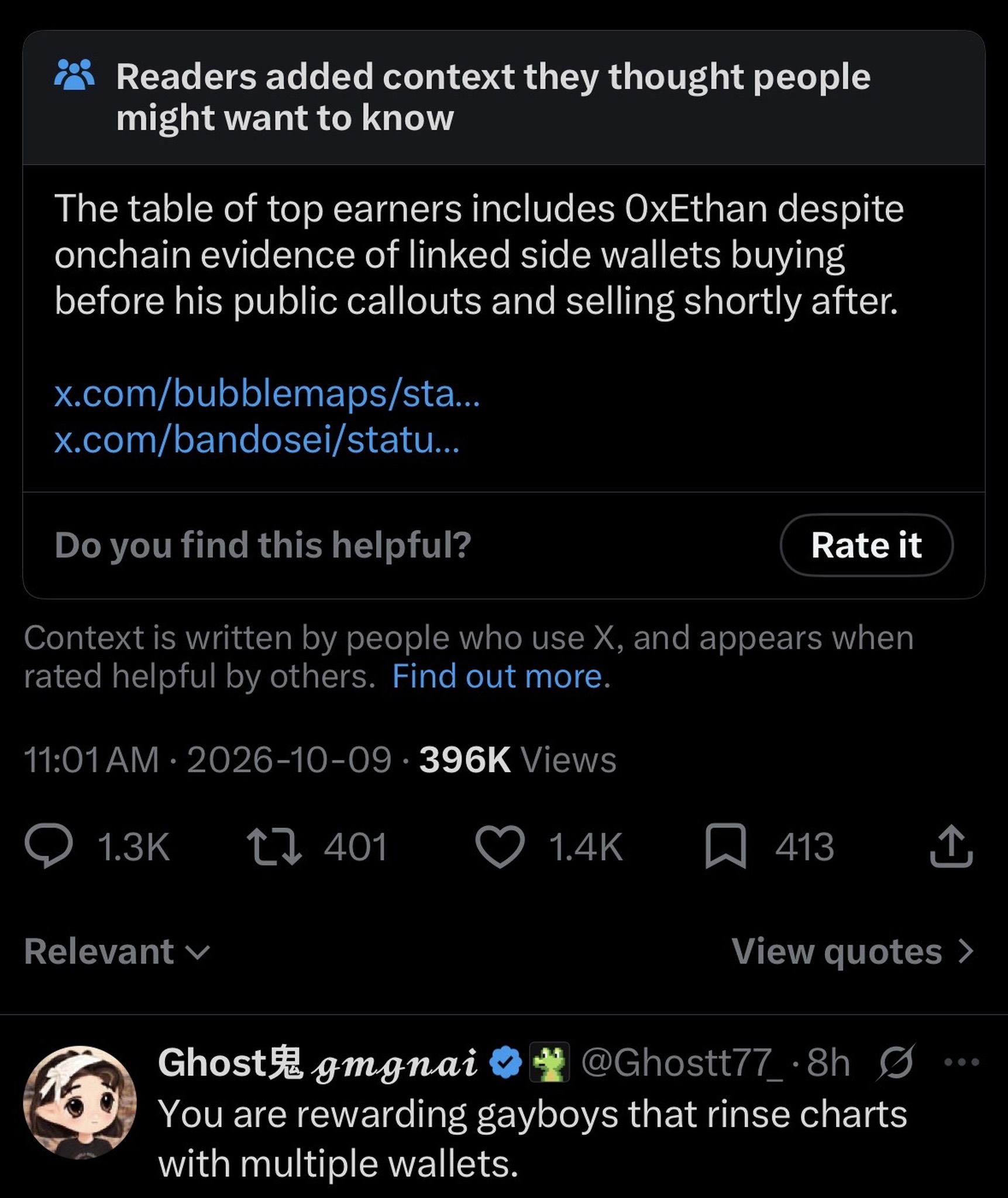
Those allegations have not been independently verified and should not be confused with the accusations exchanged between Slingoor and Dior.
Replying to a post
@a1lon9 W community note ngl
Nevertheless, they highlight an increasingly familiar concern in the memecoin trenches. What happens when someone with a substantial following can influence attention around a token while potentially holding positions their audience cannot see? And how should platforms distinguish legitimate trading activity from potentially exploitative behaviour?
RETAIL WOULD LIKE A WORD
Replying to a post
@a1lon9 @PumpfunEco I’m down an unfathomable amount of money due to most people on this list
While the KOLs exchange insults and Pump.fun defends its rewards program, some retail traders are telling a very different story.
One commenter responding to the rewards discussion claimed to be down an enormous amount of money because of traders appearing on the leaderboard.
Replying to a post
@a1lon9 This pretty much sums it up for everyone else. pic.x.com/piLCjF4q90
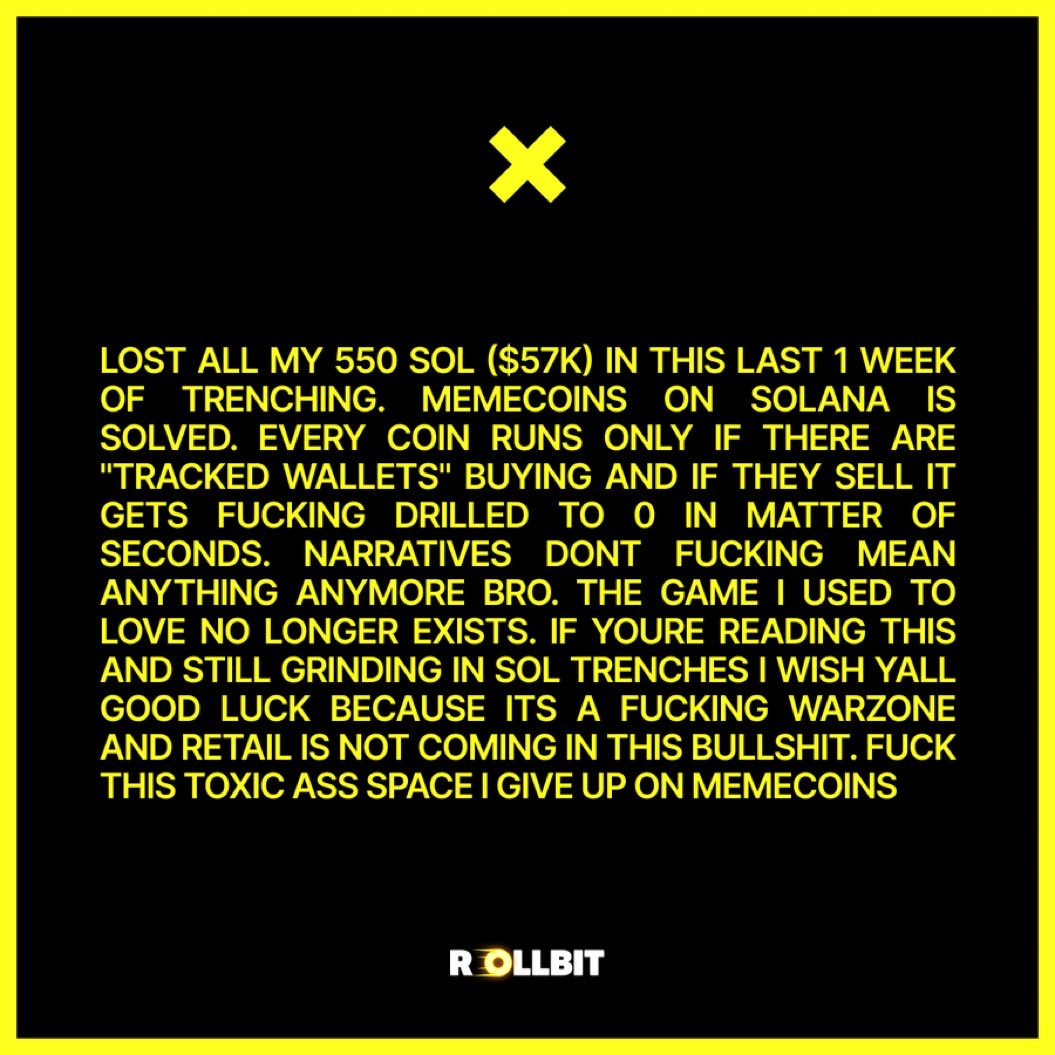
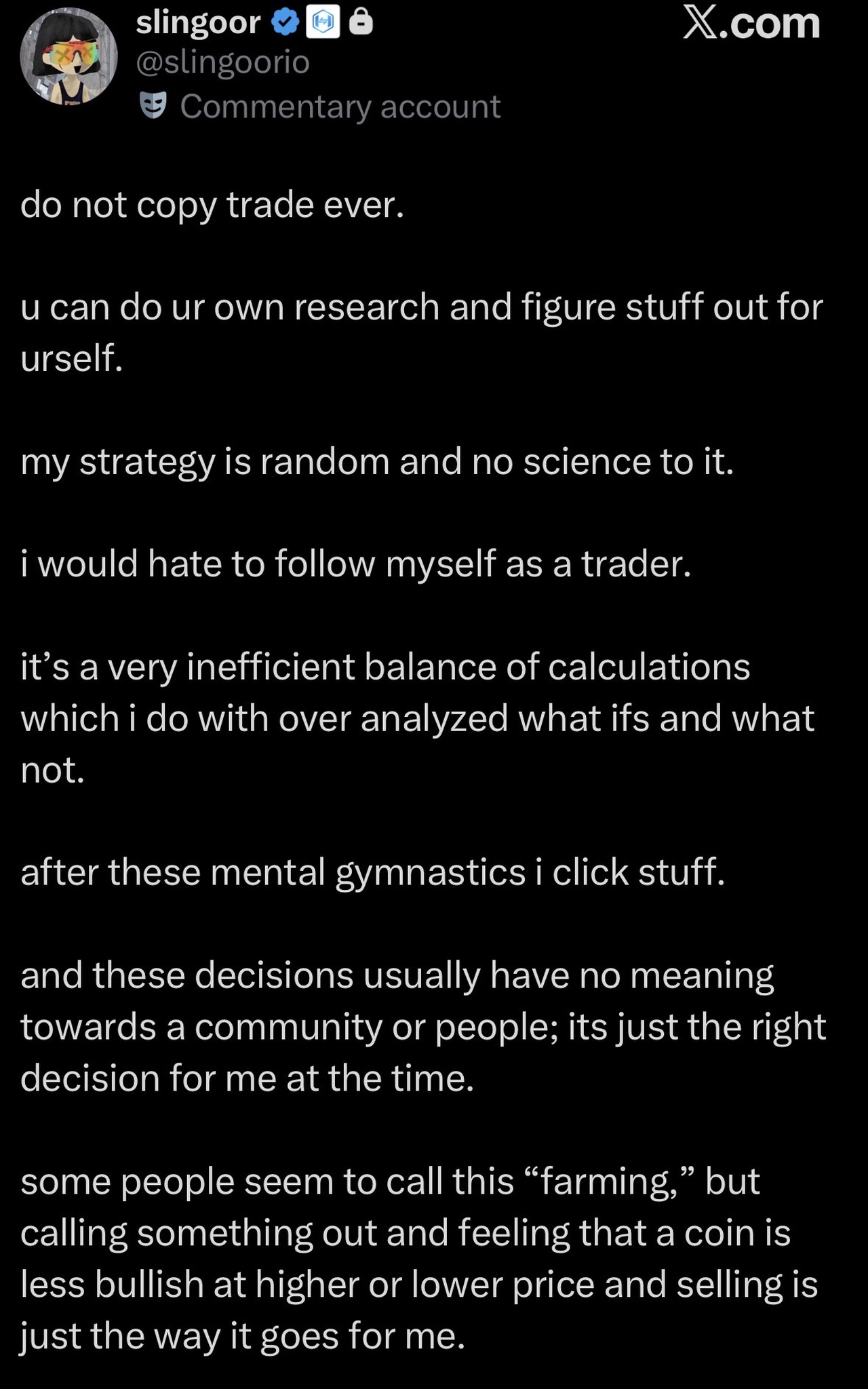
Another widely circulated screenshot featured a trader claiming to have lost 550 SOL, approximately $57,000, in a single week. The trader complained about the influence of tracked wallets and the difficulty of navigating markets where prices can move dramatically around influential traders’ activity. Something Slingoor himself recoginized with a recent post on his own timeline.
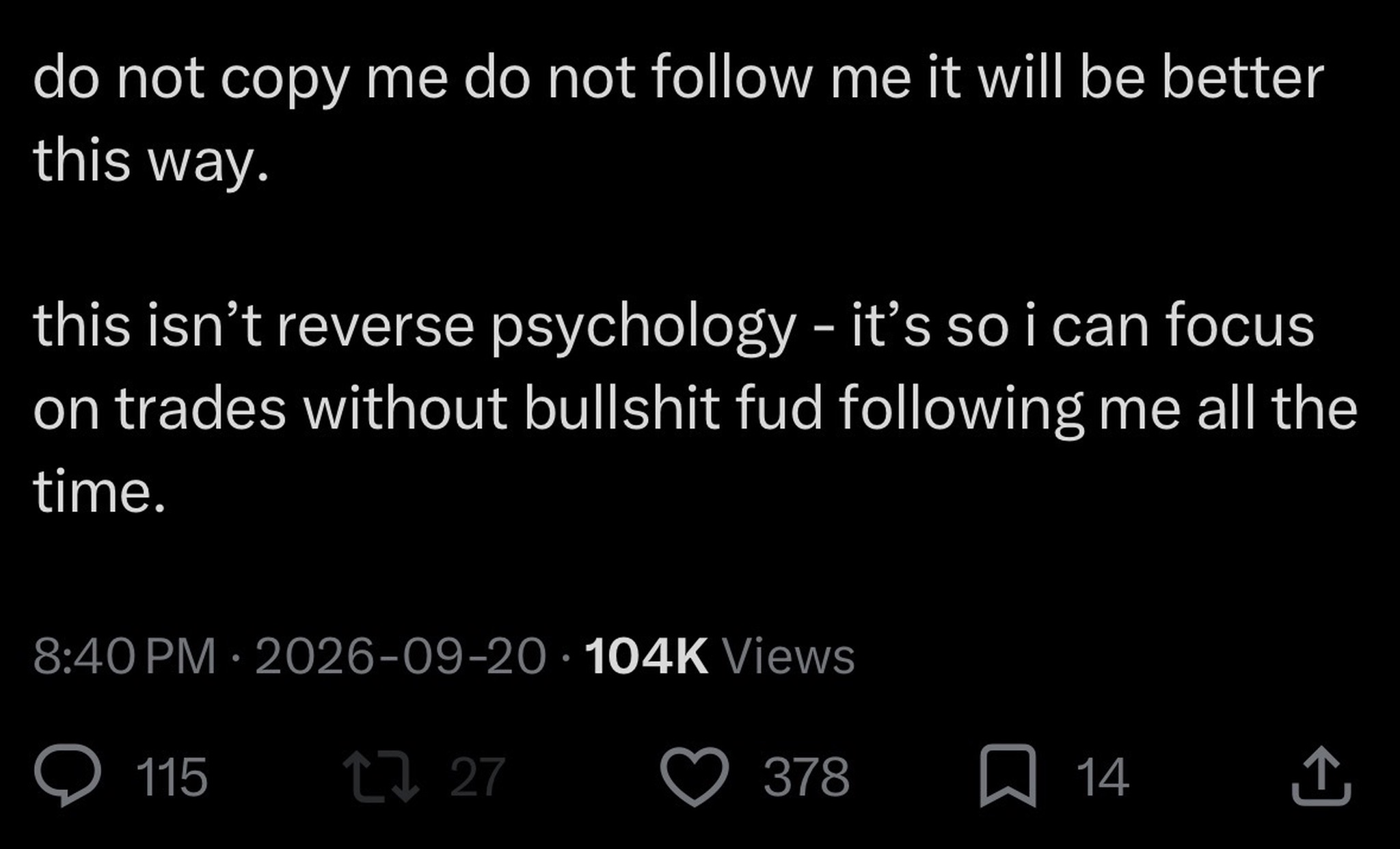
THE FOMO COPY TRADE MACHINE: WHO’S REALLY GETTING REWARDED?
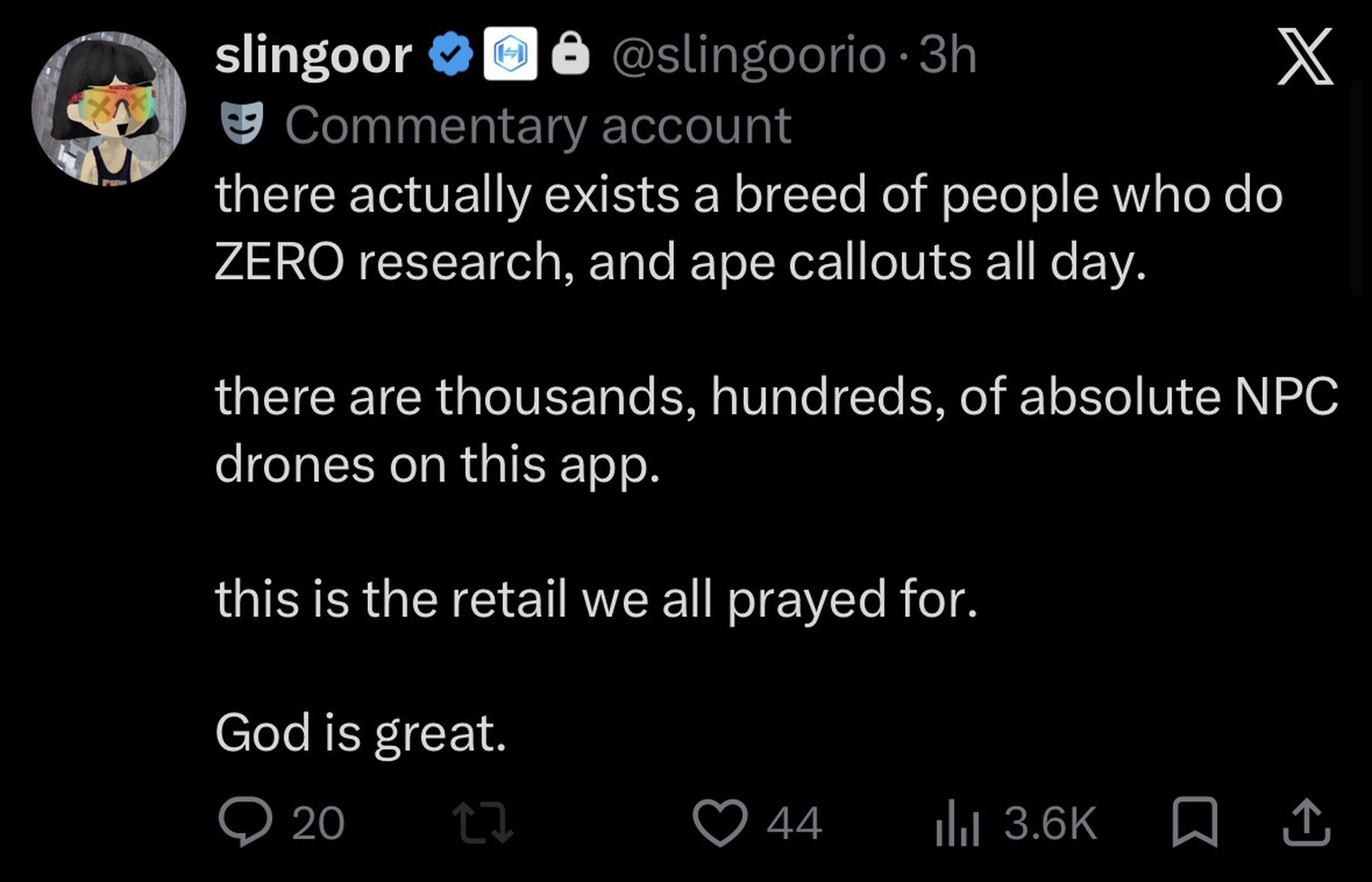
Here’s where the conversation gets bigger than Slingoor versus Dior.
When platforms like Pump.fun financially reward KOL callouts, they risk creating a self-sustaining cycle of influence, liquidity, buying in with size, and FOMO (fear of missing out).
Replying to a post
@a1lon9 All of these people have a competitive advantage for the callout rewards, because their calls always make the coin go up. It’s a rigged system.
These influencers already look like they’ve made it. They have the followers, the portfolios, and now the platform-backed payouts to reinforce that image of success. For retail traders on the outside looking in, that creates credibility, and credibility fuels the temptation and false security of the copy trade.
The concern? Influential wallets may already be positioned before a callout. Followers pile in, charts pump, and smaller traders chase the momentum without the same information, timing, or exit opportunities. Those arriving late always have a high risk of being exit liquidity.
The platform benefits from trading activity. KOLs can profit from rewards and their positions. Retail assumes the risk of being left holding the bags.
That doesn’t make every callout dishonest or every KOL a bad actor. But it raises a question far bigger than two grown men trading insults on the timeline:
If platforms financially reward the very people capable of moving markets, who, if anyone, is protecting the traders following their calls when the charts turn red.
These are self-reported losses, not verified evidence that Slingoor, Dior, or any other pump.fun incentivized caller caused them. But the frustration reflects a broader concern about the relationship between influencer KOL's and their audiences.
Someone makes a call. The timeline piles in. The chart pumps. The early buyers start looking for exits. And the late arrivals are left wondering whether they were participating in an opportunity or more commonly just providing someone else’s liquidity.
THE CTMZ TAKE
There’s something almost poetic about watching two highly compensated KOLs accuse each other of questionable trading practices while the timeline debates whether the entire system is working against retail.
DJ Dior and DJ Sling are up! @slingoorio @Dior100x pic.x.com/KHJKeHM5Ux
Slingoor questions Dior’s calls. Dior questions Slingoor’s conduct. The timeline makes memes. Pump.fun publishes the leaderboard. And somewhere in between the trenches, another trader is staring at a chart that’s down 90%.
CTMZ isn’t here to crown a winner. This isn’t a hero-versus-villain story. It’s two loud personalities operating in an ecosystem where attention, influence, and trading activity can translate into substantial financial rewards.
None of that automatically makes either individual dishonest. And public accusations aren’t proof of market manipulation. But the spectacle raises a bigger question about the incentives surrounding paid callouts. Especially by platforms as large as pump.fun.
The influencers get the attention. The platform gets the activity. The rewards keep flowing. And retail? Well, retail gets another opportunity to learn what exit liquidity means. What we in super shitcoins refer to as "paying tuition".
At what point does paying tuition stop being a lesson and start resembling an entire business model?
Replying to a post
As much as people hate on this take There’s no crying in the casino It’s common in every industry for influencers or kols to lead the way - you just gotta up your game I thought this shit rigged too so I made an undoxxed account with zero followers & got my first call-out reward in 2 days.. you need to actually make good calls gain followers and copy traders Hate it or love it cause you were promised and airdrop..the tek works Is the distribution fair - idk work harder mfs
So while Slingoor and Dior fight over who’s right... and who is better?
Who’s actually making money — and who’s left holding the bags?
Replying to a post
@a1lon9 Bro this is word salad and you know it. Those are scammers 100%
If you've traded one of these tickers from Alon's list of paid callouts... What was that like? Did you make a bag?
It shouldn't have ended like this @Dior100x But it did.... Best Regards, @slingoorio pic.x.com/YapWWKdGbN
CTMZ XCLUSIVE: Reporting based on publicly shared posts and screenshots. Allegations concerning trading misconduct, wallet ownership, and individual losses are direct from the CTX timeline.
euphoria Kendrick Lamar https://www.youtube.com/watch?v=NPqDIwWMtxg&list=RDNPqDIwWMtxg&start_radio=1
Comments (1)
Replies to this article as we captured them. Accounts we track link to their profile.
Replying to @_CXMZ
knightcity𝕏 ♟️@knightcityX@_CXMZ Real C𝕏 ♨️drama @Nate_Esparza
0 replies0 reposts2 likes42 viewsas of Sat, 17 Oct 2026 22:16:25 GMT